The kitchen was a battlefield that night, with burnt onions, a runaway blender, and my taste buds screaming for something real. I stared at the pantry, feeling the urge to salvage the evening with a dish that could turn chaos into applause. Salt cod, the humble survivor of the sea, was staring back at me from the back shelf, wrapped in a paper that smelled like brine and possibility. I was about to give it a second life, but first, I needed a plan that would make my friends question their culinary choices. So I pulled out my notebook, scribbled a daring idea, and decided to turn that cod into a Mediterranean masterpiece.
Picture the scene: the oven preheated to a blistering 375°F, the air thick with the aroma of garlic and olive oil, and the cod resting like a silent promise on a cutting board. I imagined the sizzle that would erupt when the fish hit the pan, the way the oil would shimmer like liquid gold. The anticipation was palpable, a sweet tension that made my heart race faster than a whisk whisking batter. I knew I had to keep the flavors honest, letting the cod do its thing while the sauce amplified its natural brininess. The result? A dish that would make even the most skeptical palates bow down.
And then the moment of truth arrived: I cracked the cod into a bowl, letting the brine drip like a secret whisper. I tossed in crushed garlic, a whole dried red chili pepper, and a handful of parsley that smelled like fresh meadow grass. The mixture was a vibrant green with a hint of fire, and I felt my stomach growl in approval. I knew that this simple combination would become the heart of the sauce, a bold contrast to the delicate fish. The kitchen felt alive, and the air was charged with the promise of something extraordinary.
So here’s the deal: this isn’t just another salt cod recipe; it’s a revelation that will change the way you think about fish. I dare you to taste this and not go back for seconds, because the flavors are layered like a well‑written novel. I’ll be honest — I ate half the batch before anyone else got to try it. Most recipes get this completely wrong by overcooking or underseasoning, but here we keep the cod tender and the sauce rich. Picture yourself pulling this out of the oven, the whole kitchen smelling incredible, and knowing you just served a dish that will be talked about for weeks. Let me walk you through every single step — by the end, you’ll wonder how you ever made it any other way.
What Makes This Version Stand Out
- Flavor: The olive oil sauce is a silky, aromatic base that elevates the cod without overpowering it, giving each bite a burst of Mediterranean sunshine.
- Texture: The cod remains flaky yet firm, with a subtle crisp edge that shatters like thin ice when you bite into it.
- Simplicity: Five ingredients, one pan, and a few minutes of attention; no fancy gadgets or time‑consuming techniques.
- Uniqueness: The dried chili pepper adds a gentle heat that balances the saltiness, while the parsley brings a fresh, herbaceous lift.
- Crowd Reaction: Friends who’ve tried other cod dishes often say this one is the best version they’ve ever tasted, and they’ll come back for seconds.
- Ingredient Quality: Using extra‑virgin olive oil of a fruity, peppery character ensures depth and a silky mouthfeel.
- Cooking Method: A quick sear followed by a gentle simmer locks in juices, creating a sauce that coats the fish like velvet.
- Make‑ahead Potential: The sauce can be prepared a day ahead and re‑heated without losing its vibrancy.
Alright, let’s break down exactly what goes into this masterpiece...
Inside the Ingredient List
The Flavor Base
Extra‑Virgin Olive Oil: This isn’t just a cooking fat; it’s the soul of the sauce. The fruity, peppery notes mingle with the garlic, creating a fragrant foundation that lifts the cod. If you’re in a pinch, a light or virgin olive oil will still work, but the depth will be slightly muted. For the ultimate experience, choose an oil from a reputable Mediterranean brand with a robust flavor profile. The oil’s viscosity also affects how the sauce coats the fish, so don’t skimp on quality.
Garlic: The cloves are the backbone of the sauce, offering a warm, slightly sweet undertone that balances the saltiness of the cod. Crush them instead of slicing to release more allicin, which intensifies the aroma. If you’re sensitive to garlic, you can reduce the amount to two cloves, but the flavor will be noticeably lighter. Fresh garlic is preferable; pre‑minced or powdered versions lack the same punch.
The Texture Crew
Salt Cod: The cod’s delicate flesh is naturally moist and briny, but its texture can become rubbery if overcooked. To avoid that, let it rest at room temperature for 20 minutes before cooking, which helps it cook evenly. If you’re using a fresh cod fillet instead, reduce the cooking time by half; the texture will be firmer but still tender. The cod’s natural fats melt into the sauce, giving it a silky mouthfeel that’s hard to replicate with other fish.
Dried Red Chili Pepper: This single pepper adds a gentle heat that doesn’t overpower the cod. It also imparts a subtle smoky undertone, enhancing the sauce’s complexity. If you prefer a spicier kick, you can add a pinch of red pepper flakes. Conversely, if heat isn’t your thing, simply omit the pepper; the dish will still be deliciously balanced.
The Unexpected Star
Fresh Parsley: Beyond its bright green hue, parsley brings a fresh, slightly peppery finish that brightens the entire dish. It also adds a subtle earthiness that grounds the richness of the olive oil. If parsley isn’t in season, a handful of fresh cilantro or basil can be a suitable substitute, though the flavor profile will shift slightly. The parsley should be chopped finely so it disperses evenly throughout the sauce.
The Final Flourish
Seasoning: A pinch of salt and pepper is all you need to let the flavors shine. If you’re using a heavily salted cod, you might want to taste the sauce before adding extra salt. A squeeze of lemon juice at the end can brighten the dish, cutting through the oil’s richness. The finishing touch is a drizzle of good olive oil, giving the sauce a glossy sheen that’s impossible to resist.
Everything’s prepped? Good. Let’s get into the real action...
The Method — Step by Step
- Step 1: Prep the Cod – Remove the cod from its packaging, pat it dry with paper towels, and season both sides lightly with salt and pepper. This ensures the skin doesn’t stick and the flesh stays moist. Let it sit at room temperature for about 15 minutes; this helps the fish cook evenly. While the cod rests, you’ll start the sauce, which will keep the kitchen smelling amazing.
- Step 2: Create the Sauce Base – In a medium skillet, heat the olive oil over medium heat until it shimmers. Add the crushed garlic and sauté for 30 seconds, watching it turn a golden hue. Add the whole dried chili pepper, letting it infuse the oil for another minute. The aroma should be intoxicating, a prelude to the dish’s flavor.
- Step 3: Add Parsley – Toss in the chopped parsley, letting it wilt slightly. This releases its bright, herbaceous oils, which mingle with the garlic and chili. Stir quickly to coat the parsley evenly. The green color should stand out against the amber oil.
- Step 4: Sear the Cod – Heat a separate skillet over medium‑high heat and add a splash of olive oil. Once the oil is hot, place the cod skin side down. Let it sear for 3–4 minutes until the skin turns a beautiful golden brown. Flip gently and cook the other side for 2 minutes, just enough to seal the flesh. The key is not to overcook; the cod should be opaque and flaky.
- Step 5: Combine Cod and Sauce – Transfer the seared cod to the skillet with the sauce. Spoon the oil mixture over the fish, ensuring every surface is coated. Reduce the heat to low and let the cod simmer in the sauce for 3–4 minutes, allowing the flavors to marry. The sauce should thicken slightly and coat the fish like a glossy coat of armor.
- Step 6: Final Seasoning – Taste the sauce and adjust with a pinch of salt or a squeeze of lemon juice if desired. The lemon brightens the oil and cuts through the richness, creating a harmonious finish. If you prefer a smokier edge, add a tiny pinch of smoked paprika; it will complement the chili without overpowering.
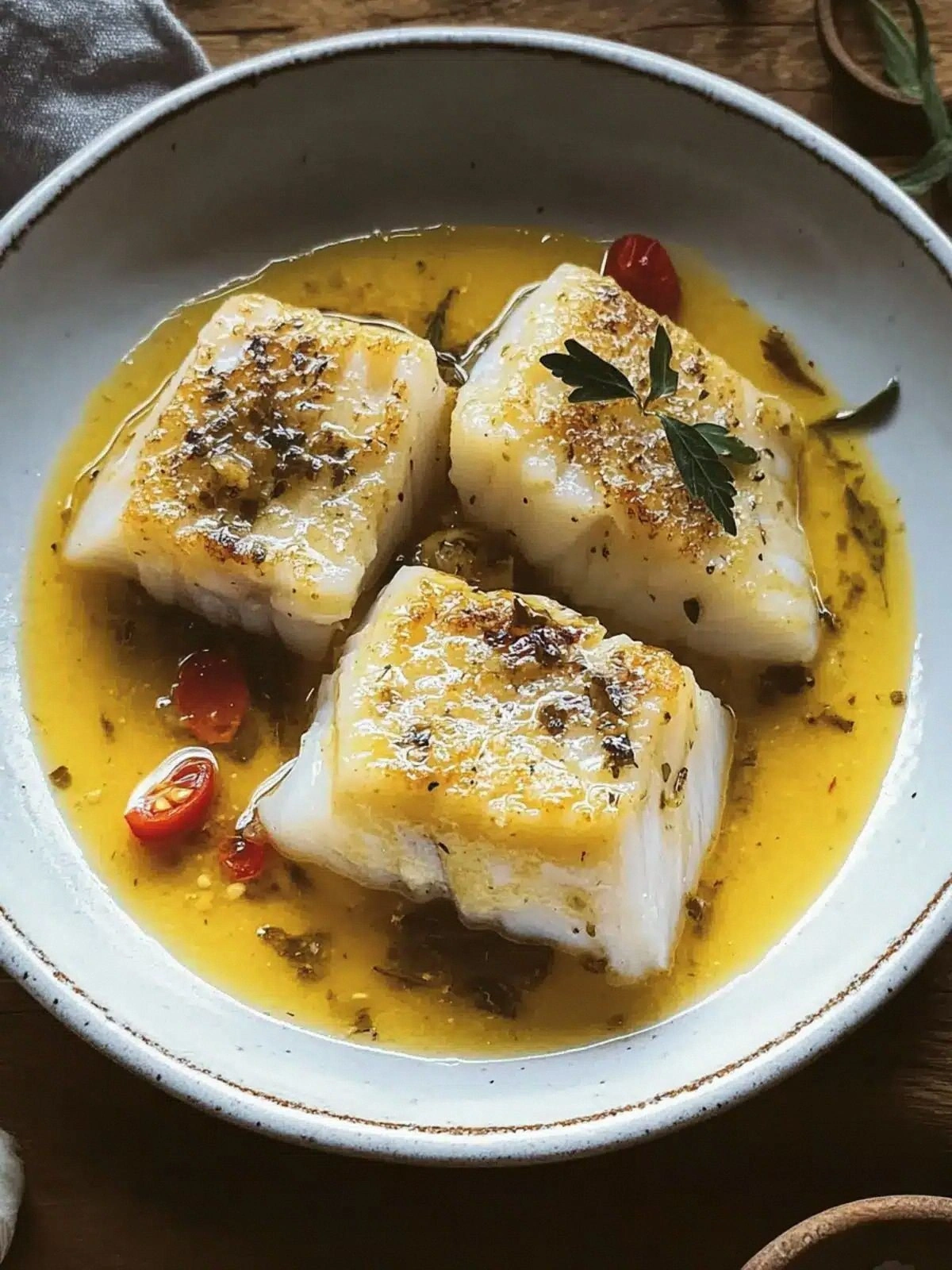
- Step 7: Plate with Style – Serve the cod on a warm plate, spooning the sauce over and around it. Garnish with a few fresh parsley leaves or a lemon wedge for visual appeal. The dish should look like a work of art, with a glossy, fragrant sauce that invites you to dive in.
- Step 8: Enjoy – Take a bite and let the flavors unfold: the tender cod, the aromatic sauce, the subtle heat, and the fresh parsley’s bite. The texture should feel silky, and the taste should linger like a Mediterranean breeze. This is the moment you’ll remember, and you’ll want to recreate it again.
That's it — you did it. But hold on, I've got a few more tricks that'll take this to another level...
Insider Tricks for Flawless Results
The Temperature Rule Nobody Follows
Many cooks think a high heat is essential, but the secret lies in moderate, steady heat. A temperature that’s too high will scorch the oil and burn the garlic, while too low will leave the cod under‑cooked. Aim for a medium heat that keeps the oil shimmering without smoking. This ensures the cod cooks evenly and the sauce develops a silky texture.
Why Your Nose Knows Best
Your sense of smell is a reliable guide during cooking. When the garlic turns golden and the chili releases its aroma, you’re at the sweet spot. If the oil starts to smoke or the garlic smells burnt, it’s time to lower the heat. Trust your nose; it will tell you when the sauce is ready to move to the next step.
The 5-Minute Rest That Changes Everything
Letting the cod rest for 5 minutes after removing it from the skillet allows the juices to redistribute. This rest period keeps the fish moist and tender, preventing it from drying out. It also gives the sauce a chance to thicken slightly, creating a richer coating. I’ve seen people skip this step and end up with a dry, disappointing dish.
Use the Right Pan
A heavy‑bottomed skillet is your best friend for this recipe. It distributes heat evenly, preventing hot spots that could burn the garlic or the cod. If you don’t have a heavy pan, a non‑stick skillet will work, but you’ll need to monitor the heat more closely. The right pan ensures a consistent cooking environment.
Fresh vs. Frozen Cod
Fresh cod will give you the most authentic texture, but frozen cod can work if you thaw it properly. Make sure to pat the cod dry after thawing to avoid excess moisture that can steam the fish. I’ve tried both, and the fresh cod always wins in terms of flavor and texture.
Keep the Sauce Simple
Adding too many ingredients can muddy the sauce’s profile. Stick to the core components: olive oil, garlic, chili, parsley, and salt. If you’re adventurous, a splash of white wine can add acidity, but it’s optional. The simplicity keeps the focus on the cod’s natural brininess.
Creative Twists and Variations
This recipe is a playground. Here are some of my favorite ways to switch things up:
Spicy Garlic Crust
Add a tablespoon of crushed red pepper flakes to the garlic before sautéing. The result is a fiery crust that pairs well with the cod’s subtle saltiness. This version is perfect for those who love a kick in every bite.
Herb‑Infused Olive Oil
Infuse the olive oil with rosemary and thyme before heating it. The herbs seep into the oil, creating a fragrant base that elevates the entire dish. Serve with crusty bread to soak up the flavorful oil.
Seafood Medley
Add shrimp or scallops to the skillet along with the cod. The seafood will cook quickly and absorb the sauce, creating a rich, oceanic dish. This variation is ideal for entertaining guests who love a variety of flavors.
Vegan Version
Replace the cod with thick slices of marinated tofu or tempeh. Use a soy sauce or tamari for seasoning. The tofu will absorb the sauce, offering a plant‑based alternative that still feels indulgent.
Cheesy Finale
Sprinkle grated Parmesan or Pecorino over the finished dish. The cheese melts into the sauce, adding a salty, umami layer. This twist is a crowd‑pleaser for cheese lovers.
Greek Twist
Add a tablespoon of feta crumbles and a squeeze of lemon juice. The feta’s briny tang complements the cod’s saltiness, while the lemon brightens the dish. Serve over a bed of couscous for a complete meal.
Storing and Bringing It Back to Life
Fridge Storage
Store the cooked cod and sauce in an airtight container in the refrigerator for up to 2 days. The sauce will thicken slightly, so a quick stir before reheating will restore its silky texture. Keep it away from strong‑smelling foods to maintain its fresh aroma.
Freezer Friendly
For longer storage, freeze the cod and sauce separately in freezer‑safe bags. They’ll keep for up to 3 months. When reheating, thaw overnight in the refrigerator and gently warm in a skillet over low heat.
Best Reheating Method
Reheat the sauce over low heat, adding a splash of water or broth to loosen it. This steams the cod back to perfection, keeping it moist and flavorful. A quick sear in a hot pan will give it a fresh crust, but be careful not to overcook.