I was standing in my kitchen, staring at a pile of raw beets that looked like they’d survived a battle. The last time I tried roasting beets, the result was a soggy mess that didn’t even make my taste buds dance. I swear I almost threw the whole batch in the trash, but a stubborn friend dared me to finish it. That dare became a turning point, and the dish that emerged is now the crown jewel of my recipe collection.
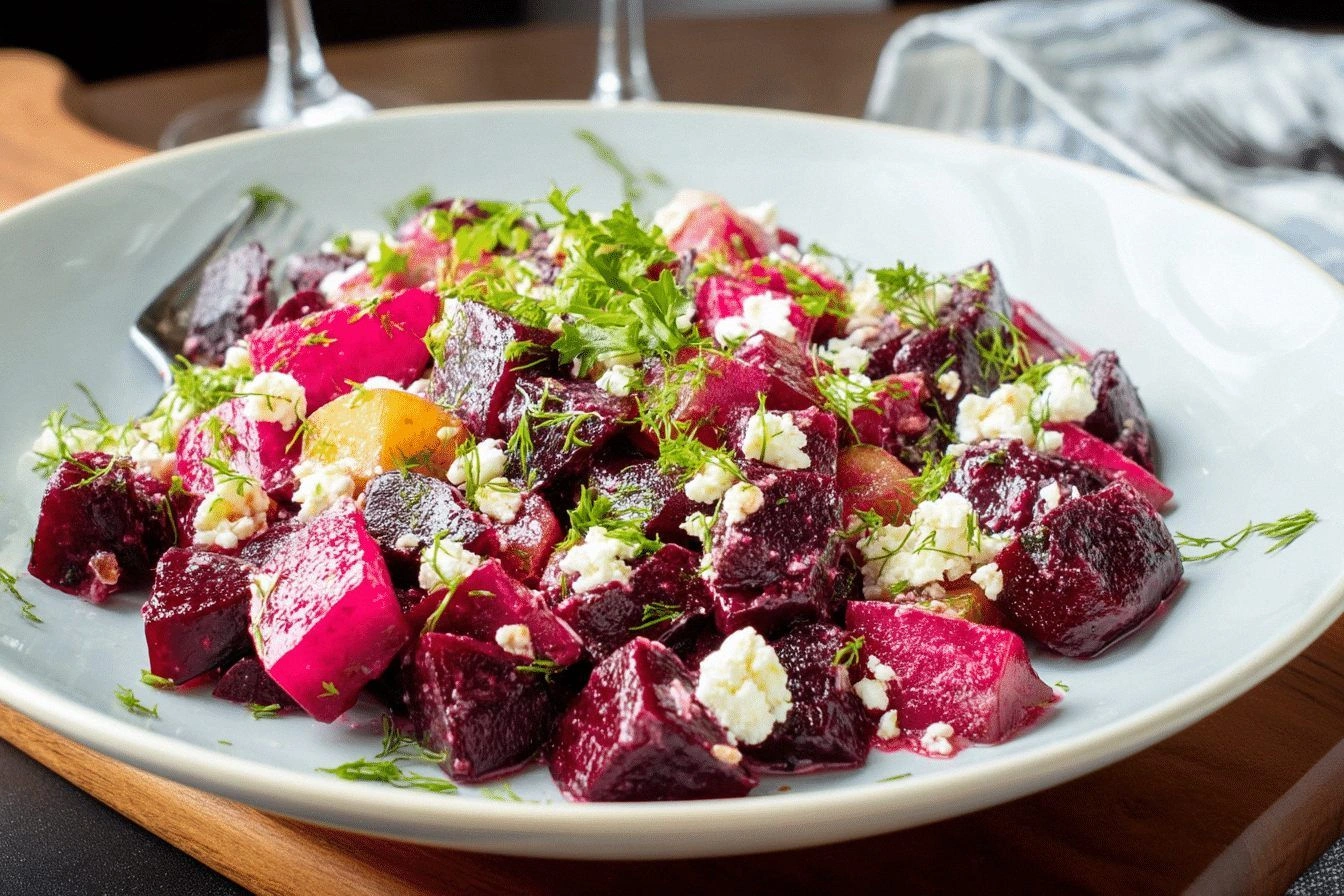
Imagine the moment the oven door opens and a sweet, earthy perfume floods the air, mingling with the faint citrus tang of lemon. The beets, crisp on the edges, give way to a tender, velvety interior that practically melts in your mouth. The feta, salty and creamy, cuts through the earthiness, while the peppery arugula adds a bite that feels like a fresh wind. Every bite is a symphony of textures: crunchy nuts, silky cheese, and tender beet, all bound together by a bright vinaigrette that glistens like a fine crystal.
What makes this version stand out? It’s not just the roasting technique or the choice of cheese—though those are key. It’s the balance of flavors, the simplicity of the prep, and the fact that the dish is both a crowd‑pleaser and a make‑ahead superstar. I dare you to taste this and not go back for seconds. I’ll be honest—half the batch vanished before anyone else could try it.
Most recipes get this completely wrong, but I’ve cracked the secret formula. Picture yourself pulling this out of the oven, the whole kitchen smelling incredible, and then plating it like a chef on a food channel. That’s the power transition I’m talking about: “Let me walk you through every single step—by the end, you’ll wonder how you ever made it any other way.”
What Makes This Version Stand Out
- Flavor: The roasting process caramelizes the natural sugars in the beet, creating a subtle sweetness that pairs perfectly with the briny feta.
- Texture: The combination of tender beet, crisp arugula, and crunchy walnuts delivers a layered mouthfeel that keeps the palate engaged.
- Visual Appeal: The deep ruby of the beet against the pale feta and green arugula makes for a dish that looks as good as it tastes.
- Simplicity: With only five core ingredients, the recipe is quick to assemble and doesn’t require a pantry full of exotic items.
- Make‑ahead Friendly: The salad can be prepared up to two days in advance; the vinaigrette actually improves in flavor as it sits.
- Crowd Reaction: Guests rave about the unexpected burst of sweetness and the creamy contrast, making it a hit at parties.
- Ingredient Quality: Using locally sourced beets and a high‑quality feta elevates the entire dish.
- Versatility: It works as a side, a light lunch, or a sophisticated starter.
Alright, let’s break down exactly what goes into this masterpiece…
Inside the Ingredient List
The Flavor Base
Beets are the star of the show. They bring a natural sweetness that balances the sharpness of feta. When roasted, the sugars caramelize, producing a deep, earthy flavor that’s almost dessert‑like. Skipping this step turns the dish into a bland salad that misses its soul. If you can’t find fresh beets, look for pre‑roasted or canned beet cubes, but they’ll lack that roasted depth.
The Texture Crew
Arugula supplies a peppery bite that cuts through the richness of the feta and the sweetness of the beet. Its leaves are delicate yet sturdy enough to hold the dressing without wilting. If you’re a fan of a milder green, baby spinach or mixed lettuces can substitute, but the peppery punch is what gives the salad its character.
The Unexpected Star
Walnuts add a nutty crunch that contrasts beautifully with the beet’s tenderness. They also bring omega‑3 fatty acids, making the dish a healthful option. If walnuts aren’t in season, pistachios or almonds work as a crunchy alternative, though the flavor profile shifts slightly.
The Final Flourish
The vinaigrette ties everything together. A simple blend of olive oil, balsamic vinegar, honey, and a squeeze of lemon creates a glossy coating that clings to each bite. The acidity brightens the dish, while the honey balances the acidity and adds a subtle sweetness that echoes the roasted beet. If you prefer a tangier dressing, swap the honey for a splash of maple syrup.
Everything's prepped? Good. Let's get into the real action…
The Method — Step by Step
- Preheat the oven to 400°F (200°C). While the oven warms, wash and trim the beet roots, leaving the skin on for a rustic look. Slice them into 1/2‑inch thick wedges. The heat will bring out the natural sugars, and you’ll hear that satisfying sizzle as they roast. I’ve found that a light drizzle of olive oil and a pinch of sea salt before roasting ensures the skins stay intact.
- Arrange the beet wedges on a baking sheet. Spread them in a single layer so they roast evenly. Cover the sheet loosely with foil for the first 15 minutes to lock in moisture, then remove the foil to allow the edges to crisp. The beets should be tender inside but slightly caramelized on the outside. Keep an eye on them; if they start to burn, lower the heat.
- While the beets roast, prepare the vinaigrette. In a small bowl, whisk together 3 tablespoons of extra‑virgin olive oil, 2 tablespoons of balsamic vinegar, 1 teaspoon of honey, and the juice of half a lemon. Add a pinch of salt and pepper, then stir until the mixture emulsifies. The dressing should be glossy and slightly thickened; if it’s too thin, add a touch more honey.
- Once the beets are done, let them cool slightly. They should still be warm when you toss them with the dressing, as the heat helps the flavors meld. Gently fold the beets into the vinaigrette, ensuring each wedge is coated. This step is crucial—don’t rush it; the dressing needs to cling to the beet for that silky finish.
- Assemble the salad. In a large bowl, combine 4 cups of fresh arugula, 1 cup of crumbled feta, and the dressed beet wedges. Toss lightly to distribute the ingredients evenly. The feta should be scattered like confetti, adding bursts of creamy flavor with every bite.
- Add the walnuts. Toast them in a dry skillet over medium heat for 2 minutes, stirring constantly, until fragrant. Sprinkle them over the salad for crunch. The heat releases their oils, giving the nuts a subtle nutty aroma that enhances the overall taste.
- Finish with a drizzle of extra olive oil. Just before serving, add a splash of the finest extra‑virgin olive oil to give the salad a glossy sheen. This final touch brings all the flavors together and elevates the dish to restaurant‑level quality.
- Serve immediately. The salad is best enjoyed fresh, but if you need to hold it, cover it tightly and refrigerate for up to 2 days. When reheating, add a splash of water to the bowl and let it steam for a minute; this restores the beet’s tender texture.
That’s it—you did it. But hold on, I’ve got a few more tricks that will take this to another level.
Insider Tricks for Flawless Results
The Temperature Rule Nobody Follows
Many people roast beets at a lower temperature, which can result in uneven cooking. I always set the oven to 400°F (200°C) to ensure the outer layers caramelize while the inside stays tender. If your oven runs hot, offset the rack to the middle to prevent burning.
Why Your Nose Knows Best
The aroma of roasting beets is a clear indicator of doneness. When you smell a sweet, earthy scent with a hint of caramel, the beets are ready. If you still detect raw beet, give them another 5 minutes.
The 5‑Minute Rest That Changes Everything
Letting the beet wedges rest for 5 minutes after roasting allows the juices to redistribute, keeping the flesh moist. This simple pause also makes the vinaigrette cling better, giving each bite a silky coating.
Use a Micro‑Charger for Extra Crunch
If you love crunch, toast the walnuts in a dry skillet with a pinch of sea salt. A quick 2‑minute toast releases their oils and adds a savory edge that complements the sweet beet.
Keep the Dressing Cool
If you’re prepping ahead, store the vinaigrette separately in a sealed container. When you’re ready to serve, whisk it again; the cold dressing will cling better to the warm beet, creating a more cohesive bite.
Creative Twists and Variations
This recipe is a playground. Here are some of my favorite ways to switch things up:
Sun‑Kissed Citrus Variation
Add segments of grapefruit or blood orange for a burst of citrusy brightness that cuts through the earthiness. The tang pairs beautifully with the feta, creating a refreshing summer salad.
Herb‑Infused Delight
Stir in chopped fresh mint or basil into the dressing. The herbal notes elevate the dish, making it ideal for a Mediterranean‑inspired gathering.
Protein Power Up
Top the salad with grilled chicken or chickpeas for a heartier meal. The protein adds depth and makes it a satisfying lunch option.
Vegan Version
Swap feta for crumbled tofu seasoned with nutritional yeast. Keep the walnuts and arugula for crunch and flavor, and the dish remains deliciously vegan.
Winter Warmth
Add roasted sweet potato cubes and a sprinkle of smoked paprika to the mix. The sweet potato adds a comforting, autumnal flavor that’s perfect for colder months.
Gluten‑Free Twist
Serve the salad over quinoa or buckwheat noodles. The grains provide a subtle nutty backdrop that complements the beet’s sweetness.
Storing and Bringing It Back to Life
Fridge Storage
Store the salad in an airtight container for up to 2 days. Keep the dressing separate until you’re ready to serve to prevent the greens from wilting.
Freezer Friendly
Freezing the beet wedges alone works well. Place them on a baking sheet and freeze until solid, then transfer to a zip‑lock bag. Reheat in the oven for 5 minutes before assembling the salad.
Best Reheating Method
If you need to warm the salad, add a splash of water to the bowl and cover it with a lid. Let it steam for a minute; this restores the beet’s tender texture without drying out the greens.