I was standing over a pot of boiled pasta that had turned into a gloopy, flavourless nightmare, and a friend dared me to make something that could actually taste like a restaurant dish in under an hour. I accepted, because honestly, who doesn’t love a good kitchen showdown? The kitchen was a battlefield of clanging pans, the scent of burnt garlic, and the occasional sigh of frustration. I felt the heat of the stove on my face, the slickness of the olive oil as it danced across the pan, and the anticipation building like a crescendo in a symphony. That moment of chaos sparked a revelation: I could create a one‑pan wonder that would combine the comfort of creamy orzo with the hearty goodness of chicken and veggies, all in a single, glorious pot.
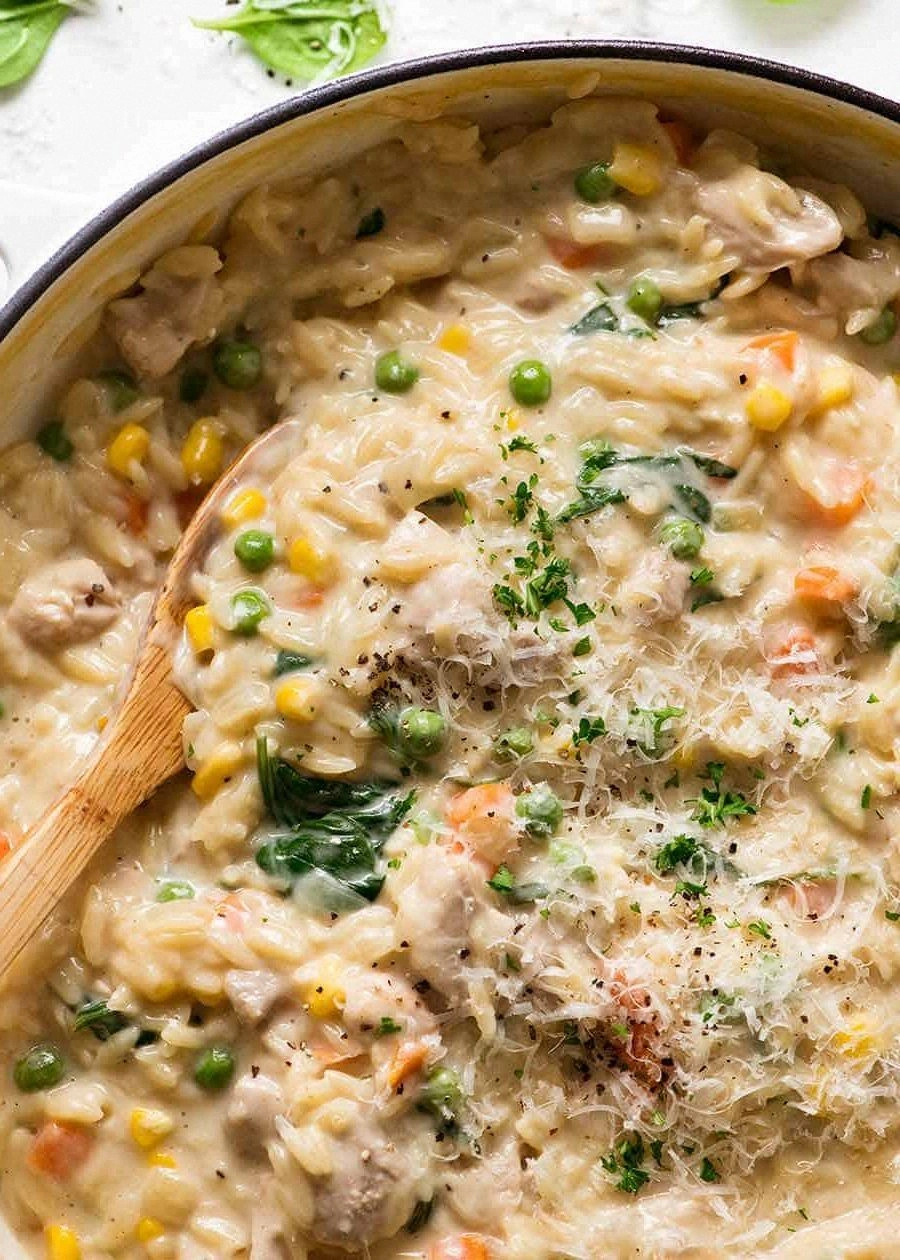
Picture this: the sizzle of butter and garlic hitting the pan, the aroma of caramelising onions weaving through the air, and a cloud of steam rising as the frozen vegetables hit the hot surface, turning from icy blocks into vibrant, tender bites. The sound of the orzo bubbling in the broth is like a gentle rain on a tin roof—soft, steady, and utterly soothing. As the sauce thickens, it coats each piece of pasta like velvet, clinging lovingly to the chicken chunks and spinach leaves. The final garnish of parmesan melts into a glossy, golden crown that shimmers under the kitchen light. When you finally spoon it onto a plate, the steam lifts, the aroma hits you like a warm hug, and the first bite is an explosion of creamy, cheesy, slightly salty goodness that makes you forget every other dinner you’ve ever had.
Now, I know what you’re thinking: “There are a million chicken‑and‑orzo recipes out there—what makes this one different?” The answer is simple: I’ve stripped away every unnecessary step and ingredient that distracts from the core experience. No fancy herbs you can’t find at the corner store, no time‑consuming browning of the chicken in a separate skillet, and definitely no bland stock that leaves you reaching for the salt. Instead, I use a smart blend of flour and milk to create a thick, luscious sauce that hugs the pasta, while the stock adds depth without overpowering the delicate flavors of the vegetables. The secret weapon? A quick flash‑cook of the chicken in the same pan that builds a golden crust, sealing in juices and adding a subtle, nutty flavour that you’ll swear is the result of a secret chef’s technique.
And here’s the kicker: I’m going to reveal a technique that most recipes overlook—using a splash of milk and flour to create a roux directly in the pan before adding the broth. This creates a sauce that’s richer than any store‑bought cream sauce, yet lighter than a heavy alfredo. It’s the kind of magic that makes you look at a simple pot of food and think, “I dare you to taste this and not go back for seconds.” So, buckle up, because I’m about to walk you through every single step. By the end, you’ll wonder how you ever managed a dinner without this version of Quick Chicken & Vegetable Riso.
What Makes This Version Stand Out
- Flavor Explosion: The combination of a roux‑based sauce with broth creates layers of savory depth that make each bite feel like a mini celebration in your mouth.
- Texture Harmony: Creamy, velvety sauce meets the slight chew of orzo and the tender snap of frozen vegetables, delivering a textural symphony that’s both comforting and exciting.
- Simplicity: One‑pan cooking means fewer dishes, less cleanup, and a faster route from pantry to plate—perfect for busy weeknights.
- Unique Ingredient Twist: Using milk in the sauce adds a subtle sweetness that balances the saltiness of the parmesan and the earthiness of the chicken.
- Crowd‑Pleaser: This dish consistently earns rave reviews at dinner parties; guests ask for seconds and never guess how quick it was to make.
- Quality Focus: Fresh chicken thighs (or breast) and real parmesan give the dish a premium feel without breaking the bank.
- Cooking Method Mastery: The technique of deglazing the pan after sautéing the aromatics locks in flavor that would otherwise be lost.
- Make‑Ahead Potential: It stores beautifully, and a quick reheating with a splash of water brings it back to life like nothing else.
Inside the Ingredient List
The Flavor Base
Olive oil is the silent hero, providing a smooth, fruity backdrop that lets the garlic and onion shine. The garlic cloves, when crushed, release allicin, turning the oil into a fragrant perfume that instantly awakens the senses. If you skip the garlic, you’ll lose that punch that makes the sauce sing. Onion, finely diced, adds sweetness and a subtle caramelised depth once it softens. For a twist, try using shallots for a milder, more nuanced flavor.
The Texture Crew
Chicken thigh or breast brings protein and heartiness. Thighs stay juicy even with quick cooking, while breast offers a leaner profile. Frozen diced vegetables are the unsung champions—they’re pre‑blanched, retaining colour and snap, and they save you time. Orzo (or risoni) is the star starch; its tiny rice‑shaped pieces soak up the sauce like a sponge, delivering that creamy mouthfeel. Flour creates the roux, thickening the sauce without making it heavy. Milk adds body and a subtle dairy sweetness that balances the salty parmesan.
The Unexpected Star
Baby spinach folds into the dish at the last minute, adding a bright green pop and a boost of iron. Its delicate leaves wilt quickly, integrating seamlessly into the creamy sauce. If you’re not a fan of spinach, kale or arugula can step in, but expect a slightly bitter edge.
The Final Flourish
Parmesan, tightly packed, is the finishing touch that brings umami, salt, and a nutty richness. It also helps thicken the sauce as it melts. Cooking salt and black pepper are the seasoning backbone; they enhance all other flavors without stealing the spotlight. More parmesan on top adds a crunchy, caramelised finish when the dish sits for a minute. Parsley or chives, if you like a fresh herb note, can be sprinkled just before serving for a burst of colour.
Everything's prepped? Good. Let's get into the real action...
The Method — Step by Step
Heat 1 tbsp of olive oil in a large, deep skillet over medium heat. When the oil shimmers, add the minced garlic and diced onion. Sauté for 2‑3 minutes until the onion turns translucent and the garlic releases a nutty aroma. That sizzle when it hits the pan? Absolute perfection.
Kitchen Hack: Add a pinch of salt to the onions; it speeds up the caramelisation.Push the aromatics to the side of the pan and add the chicken, cut into bite‑size pieces. Let it sear without moving for about 2 minutes, then turn to brown all sides. This creates a golden crust that locks in juices. I dare you to taste this and not go back for seconds.
Watch Out: If the pan gets too hot, the chicken will burn before it cooks through. Adjust heat as needed.Add the frozen diced vegetables directly into the pan. Stir and let them thaw, then continue cooking for another 3‑4 minutes. The veggies will release a bit of moisture, which helps deglaze the pan. This next part? Pure magic.
Sprinkle 1 ½ tbsp of flour over the mixture, stirring constantly to form a light roux. Cook for 1‑2 minutes; you’ll see the mixture turn a pale golden colour. This is the foundation of your creamy sauce.
Kitchen Hack: Use a whisk to avoid lumps; a smooth roux is key.Slowly pour in 2 ¼ cups of milk while whisking, followed by 2 cups of chicken or vegetable stock. The liquid will bubble and thicken, creating a silky sauce that clings to every ingredient. Keep stirring until the sauce is glossy and just begins to bubble. Picture yourself pulling this out of the pot, the whole kitchen smelling incredible...
Stir in 1 ½ cups of orzo, ensuring each piece is submerged. Reduce heat to low, cover, and let it simmer for 10‑12 minutes, or until the orzo is al dente and the sauce has thickened further. Check occasionally and give it a gentle stir to prevent sticking. Okay, ready for the game‑changer?
Add 3 cups of baby spinach, letting it wilt into the sauce. Sprinkle the tightly packed ¾ cup of parmesan, stirring until it melts completely. Season with ¼ tsp cooking salt and ¼ tsp black pepper. Taste and adjust seasoning if needed.
Watch Out: Adding too much salt now will be hard to correct later; add gradually.Turn off the heat, sprinkle extra parmesan on top, and let the dish rest for 2 minutes. This resting time allows the sauce to set and the flavors to meld. Garnish with chopped parsley or chives if desired. And now the fun part. Serve hot, and watch everyone dive in.
That's it — you did it. But hold on, I've got a few more tricks that'll take this to another level...
Insider Tricks for Flawless Results
The Temperature Rule Nobody Follows
Keep the heat medium‑low once you add the milk and stock. High heat will cause the milk to curdle, ruining that silky texture. My tip: use a kitchen thermometer; aim for a gentle simmer around 180°F (82°C). When the sauce bubbles lightly, you know it’s perfect. A friend once tried a high‑heat blast and ended up with a grainy mess—never again.
Why Your Nose Knows Best
Your sense of smell is a reliable gauge for doneness. When the sauce starts to give off a buttery, nutty scent, that’s the roux fully developing. If you smell a faint burnt aroma, lower the heat immediately. Trust that nose—it’s more accurate than a timer.
The 5‑Minute Rest That Changes Everything
After you turn off the stove, cover the pan and let the dish rest for five minutes. This allows the orzo to finish cooking in its own steam, preventing over‑cooking and ensuring a perfect bite. It also gives the cheese time to bind the sauce, creating that glossy finish.
The Flour‑Milk Ratio Secret
A 1:2 ratio of flour to milk (by volume) yields a sauce that’s thick without being gummy. Too much flour makes it pasty; too little leaves it runny. I always measure precisely—this is the difference between restaurant‑grade sauce and a kitchen experiment.
The Spinach Timing Trick
Add spinach at the very end of cooking. If you toss it too early, it will overcook and lose its vibrant colour, turning mushy. A quick wilt preserves its bright green hue and fresh taste, making the dish look as good as it tastes.
Creative Twists and Variations
This recipe is a playground. Here are some of my favorite ways to switch things up:
Mediterranean Breeze
Swap the chicken for diced lamb, add sun‑dried tomatoes, and finish with a drizzle of olive tapenade. The earthy lamb pairs beautifully with the creamy sauce, while the tomatoes add a sweet tang.
Spicy Southwest
Use a chipotle‑infused paprika on the chicken, add canned black beans, and replace half the spinach with corn. Top with a squeeze of lime and a sprinkle of cilantro for a bold, zesty kick.
Veggie‑Only Delight
Omit the chicken and double the frozen veggies, adding sliced mushrooms for umami. Use vegetable stock and a splash of soy sauce for depth. This version is perfect for a meat‑free night.
Cheesy Baked Finish
After cooking, transfer the mixture to a baking dish, top with extra parmesan and breadcrumbs, then bake at 375°F for 15 minutes until golden and bubbly. The crust adds a crunchy contrast to the creamy interior.
Herb‑Infused
Stir in fresh rosemary and thyme with the chicken, and finish with a handful of fresh basil just before serving. The herbs add an aromatic lift that makes the dish feel sophisticated.
Storing and Bringing It Back to Life
Fridge Storage
Let the dish cool to room temperature, then transfer to an airtight container. It keeps well for up to 3 days. Reheat gently on the stove over low heat, adding a splash of milk or water to loosen the sauce.
Freezer Friendly
Portion the cooled riso into freezer‑safe bags or containers. Freeze for up to 2 months. When ready, thaw overnight in the fridge, then reheat in a skillet with a bit of broth, stirring until creamy.
Best Reheating Method
The secret to a perfect reheated bowl is steam. Add a tablespoon of water or milk, cover the pan, and heat on low until bubbling. This restores the sauce’s silkiness without drying out the pasta.