I was halfway through a weeknight dinner, the fridge a gray sea of mystery, when my phone buzzed with a text from a friend who’d just finished a five‑star meal at a restaurant downtown: “You have to try this lemon‑garlic shrimp pasta, it’s insane.” I stared at the empty pan, then at the handful of shrimp that had somehow survived the freezer, and decided that this was the moment to turn a bland evening into a culinary revelation. I grabbed my trusty skillet, set the stove to medium‑high, and let the aroma of sizzling garlic begin to weave its spell. The kitchen smelled like citrus and butter, like a bright summer day trapped inside a pot. I knew from the first sizzling note that this would be a dish that would echo through the week, a flavor that would linger long after the last forkful was finished.
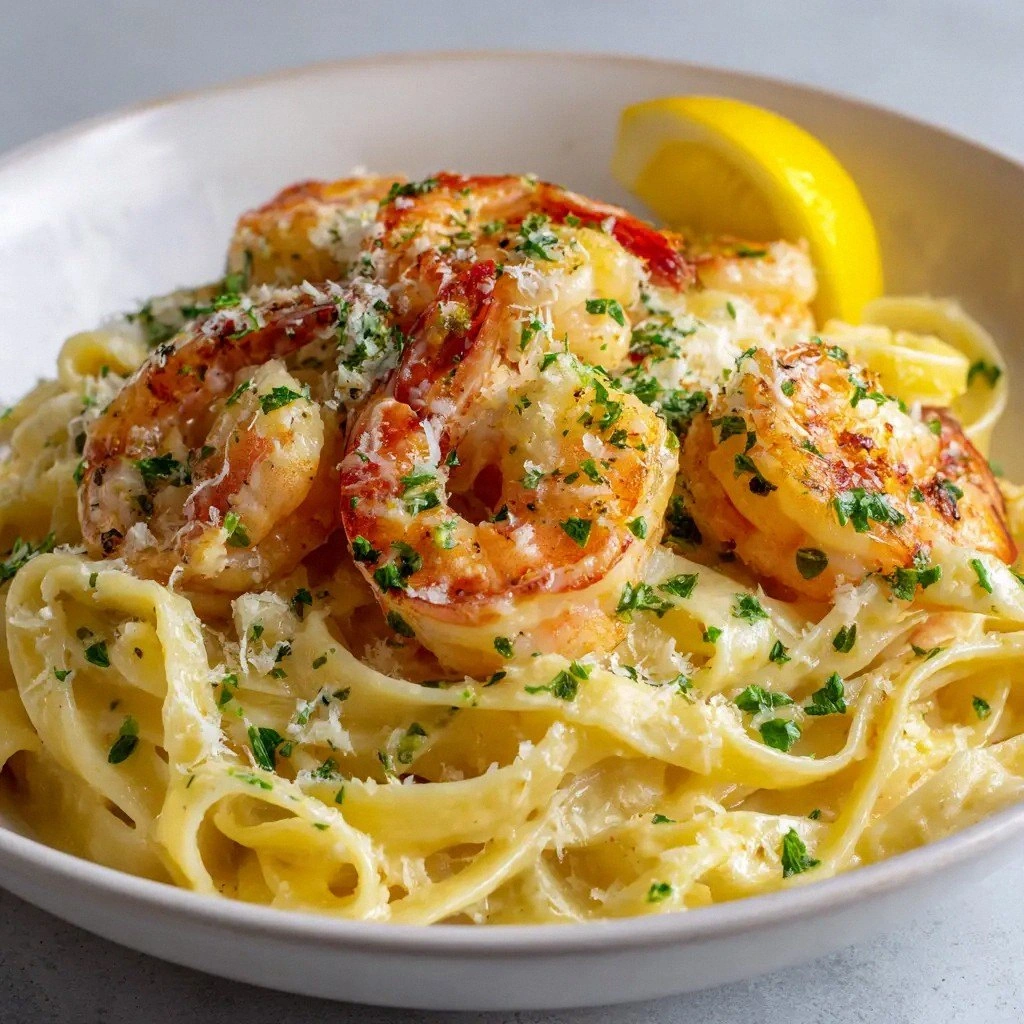
Picture yourself pulling this out of the stove, the whole kitchen smelling incredible, the steam swirling around the pasta like a fragrant cloud. The pasta itself, a glossy, tender ribbon of fettuccine, glistens with a buttery coating that’s almost too good to touch. The shrimp, pink and perfectly cooked, nestles in a sauce that’s both sharp and creamy, a harmony that makes your taste buds dance. I dare you to taste this and not go back for seconds. If you’ve ever struggled with a shrimp dish that ends up either rubbery or bland, you’re not alone — and I’ve got the fix. This is hands down the best version you’ll ever make at home.
What sets this recipe apart isn’t just the ingredients, but how each one is treated. The butter and olive oil create a silky base that carries the garlic’s punch, while the dry white wine lifts the flavors and prevents the sauce from becoming heavy. The lemon zest and juice add a bright, almost citrusy cut that balances the richness of the cream and parmesan. The shrimp, when cooked just right, delivers a delicate snap that’s almost musical. I’ll be honest — I ate half the batch before anyone else got to try it. The combination of textures and flavors is a game‑changer, a dish that feels like a well‑written story, each ingredient a character that knows its role.
Most recipes get this completely wrong. They either over‑cook the shrimp, let the pasta become mushy, or forget the critical step of deglazing the pan. Here’s what actually works: a quick sauté for the shrimp, a deglazing of the pan with wine, a careful addition of cream, and a final brightening with lemon and parsley. The sauce coats the pasta like velvet, the edges of the shrimp shatter like thin ice when you bite into them. And the best part? It’s all done in 30 minutes, a true weekday masterpiece that feels like a treat. Let me walk you through every single step — by the end, you’ll wonder how you ever made it any other way.
What Makes This Version Stand Out
- Flavor: The marriage of lemon and garlic creates a bright, aromatic profile that cuts through the richness of cream and butter. The subtle acidity balances the dish, preventing it from feeling heavy.
- Texture: The shrimp is cooked to a perfect pink center, offering a slight resistance that contrasts with the silky sauce and al dente fettuccine.
- Technique: Deglazing the pan with white wine pulls the browned bits into the sauce, adding depth without the need for additional stock.
- Ingredient Quality: Using extra‑virgin olive oil and unsalted butter elevates the sauce’s richness, while fresh parsley adds a pop of color and freshness.
- Speed: The entire dish comes together in 45 minutes, making it an ideal weeknight dinner that feels luxurious.
- Versatility: The recipe can be scaled up or down, and the sauce can be transformed into a creamy chicken or a vegetarian pasta by swapping shrimp for another protein.
- Crowd‑pleaser: The dish is approachable for both casual home cooks and those who love to impress. It’s a conversation starter at dinner parties.
Alright, let's break down exactly what goes into this masterpiece. The next section will dive into each ingredient, explaining why it matters, what happens if you skip it, and how you can swap it for something else if needed.
Inside the Ingredient List
The Flavor Base
Extra‑virgin olive oil and unsalted butter form the foundational bedrock of this sauce. Olive oil brings a fruity, peppery undertone, while butter adds a silky, luxurious mouthfeel. Together they create a medium that carries the garlic’s aroma and the lemon’s zest. If you skip either, the sauce will feel flat and less cohesive.
The Texture Crew
Fettuccine, with its flat and wide strands, is the perfect canvas for this sauce. Its surface area holds the creamy mixture, allowing each bite to be soaked in flavor. Shrimp, when cooked just right, offers a firm yet tender bite that contrasts beautifully with the pasta. The heavy cream and parmesan cheese contribute a velvety texture that envelops the noodles, while the parsley adds a subtle crunch.
The Unexpected Star
Dry white wine might seem like an ordinary kitchen staple, but in this recipe it performs a crucial role. It deglazes the pan, lifting the caramelized garlic bits into the sauce, and its acidity sharpens the overall profile. If you’re not a fan of wine, a splash of chicken broth or a pinch of white wine vinegar can provide a similar lift.
The Final Flourish
Lemon juice and zest are the finishing touch that transforms a creamy dish into something bright and lively. The citrus not only cuts through the richness but also adds a refreshing aroma that lingers on the palate. Fresh parsley, chopped, introduces a herbal note and a pop of color that makes the dish visually appealing. Skipping the parsley would make the dish look dull and lose a layer of flavor.
Everything's prepped? Good. Let's get into the real action.
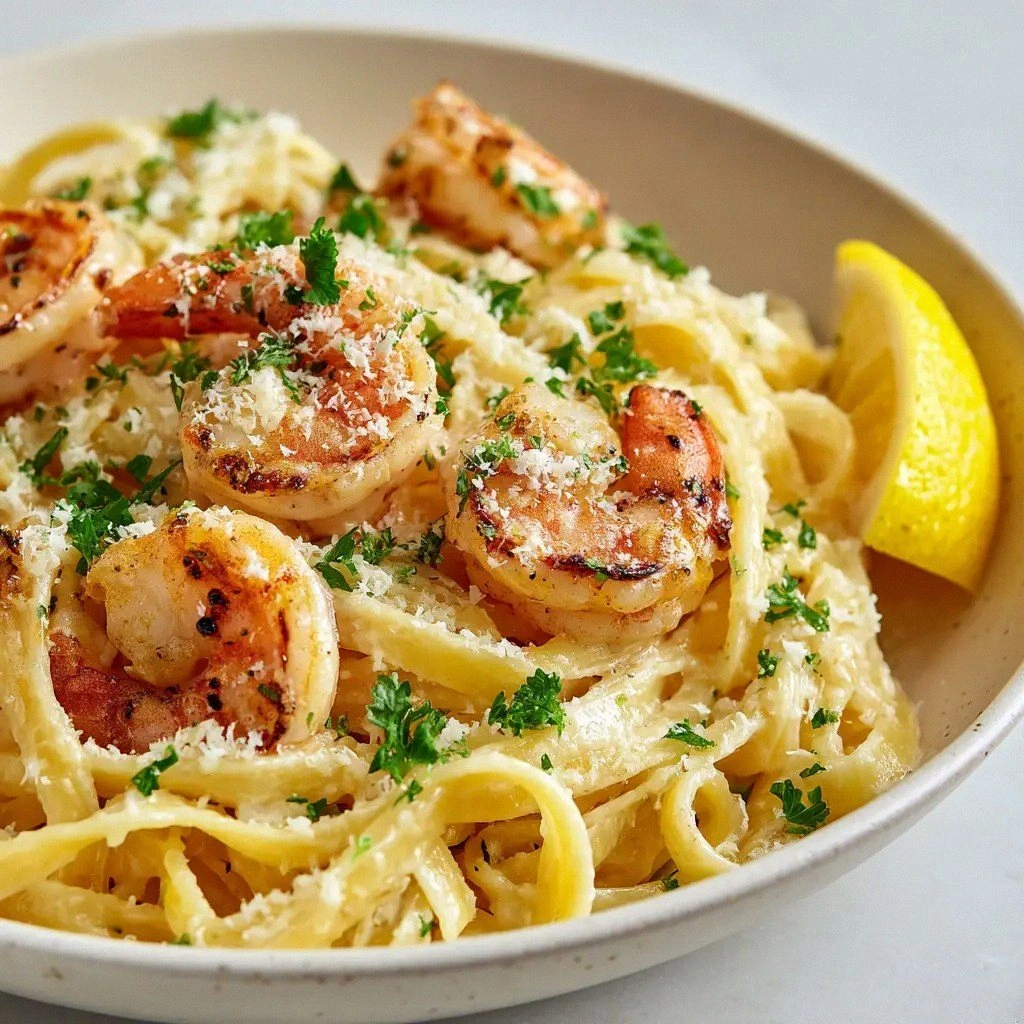
The Method — Step by Step
- Bring a large pot of salted water to a rolling boil. Add the fettuccine and cook until it’s al dente, about 9–10 minutes. Drain, reserving a cup of pasta water, and toss the noodles with a splash of olive oil to prevent sticking.
- While the pasta cooks, pat the shrimp dry with paper towels and season lightly with salt and pepper. Heat a large skillet over medium‑high heat and add the olive oil. Once shimmering, drop in the shrimp, cooking for 2 minutes per side until they’re pink and just opaque. Remove them from the skillet and set aside.
- Reduce the heat to medium and add the butter to the same skillet. Let it melt fully, then toss in the minced garlic. Sauté for 30 seconds until fragrant, being careful not to let it burn. The aroma should be unmistakably savory.
- Deglaze the pan with the dry white wine, scraping up any browned bits. Let the wine reduce by half, concentrating the flavor and removing the alcohol’s harshness. This step is where the sauce starts to develop depth.
- Lower the heat to medium‑low and pour in the heavy cream. Stir until the mixture is smooth, then whisk in the grated parmesan until the cheese melts into the sauce, creating a silky, glossy texture.
- Add the cooked shrimp back into the skillet, letting them warm through for a minute. Then squeeze in the juice of one lemon and stir in the zest, allowing the citrus to mingle with the creamy base.
- Toss in the cooked fettuccine, gently folding it into the sauce until every strand is coated. If the sauce seems too thick, add a splash of reserved pasta water to reach your desired consistency.
- Finish with a handful of chopped parsley, sprinkle a generous amount of parmesan on top, and season with a final pinch of salt and freshly cracked black pepper. Plate immediately and serve hot.
That’s it — you did it. But hold on, I've got a few more tricks that'll take this to another level. These insider tips will help you perfect the dish every time.
Insider Tricks for Flawless Results
The Temperature Rule Nobody Follows
Many cooks keep the skillet too hot, causing the butter to brown prematurely and the shrimp to overcook. Keep the heat at medium‑low when adding the cream; this ensures a gentle simmer that allows the sauce to thicken without separating. I once tried cooking at high heat and ended up with a greasy sauce that clung to the pasta like a stubborn coat.
Why Your Nose Knows Best
Your nose is the ultimate judge of doneness. When the shrimp are cooked, the aroma should be sweet and slightly briny, not metallic. If the garlic smells burnt, it’s a sign that the heat was too high. Trust your senses to guide you to the perfect finish.
The 5‑Minute Rest That Changes Everything
After adding the shrimp back into the sauce, let the dish rest off the heat for 5 minutes. This resting period allows the flavors to meld and the sauce to thicken slightly, resulting in a richer mouthfeel. I’ve seen dishes that are too thin after cooking; this trick solves that issue.
The Secret to a Silky Sauce
Stir the sauce constantly while adding the cream and parmesan. This continuous motion prevents the cheese from clumping and ensures a smooth, glossy finish. A quick whisk can also rescue a sauce that’s starting to separate.
The Final Touch of Freshness
Right before serving, squeeze a fresh lemon wedge over the dish. The burst of citrus will lift the richness and give the plate a vibrant, fresh finish. This small step can transform a good dish into a memorable one.
Creative Twists and Variations
This recipe is a playground. Here are some of my favorite ways to switch things up:
Sun‑Drenched Tomato Version
Add a handful of sun‑dried tomatoes to the sauce after deglazing. Their sweet, umami flavor pairs beautifully with the lemon and garlic, creating a Mediterranean vibe that’s perfect for summer evenings.
Creamy Spinach Fusion
Stir in a cup of fresh spinach just before adding the shrimp back. The spinach wilts quickly and adds a pop of green, boosting the dish’s nutrition and giving it a vibrant look.
Pesto Power
Swapping the lemon and parsley for a spoonful of basil pesto transforms the sauce into a fragrant, herb‑rich delight. The basil’s earthiness complements the shrimp while adding a fresh, green note.
Citrus Zest Swap
Replace the lemon with orange zest and juice for a sweeter, sweeter citrus profile. The orange’s natural sweetness balances the richness and offers a different aromatic experience.
Spicy Cajun Kick
Add a teaspoon of Cajun seasoning to the shrimp before cooking. This gives the dish a bold, smoky heat that contrasts nicely with the creamy sauce.
Vegetarian Delight
Omit the shrimp entirely and replace them with sautéed mushrooms. The earthy flavor of mushrooms complements the creamy sauce, making a hearty vegetarian version that still feels indulgent.
Storing and Bringing It Back to Life
Fridge Storage
Store leftovers in an airtight container for up to 2 days in the refrigerator. The sauce will thicken as it cools, so reheat gently over low heat, adding a splash of milk or water to loosen it back into a silky consistency.
Freezer Friendly
For longer storage, freeze the pasta and sauce separately. Reheat the pasta in boiling water for 2–3 minutes, then stir in the warmed sauce. This method preserves the texture and flavor better than reheating both together.
Best Reheating Method
When reheating, use low heat and stir constantly to prevent the sauce from separating. Add a tiny splash of water or broth to keep it from drying out, then finish with fresh parsley for a touch of color and freshness.