I was standing in my kitchen, watching the skillet sizzle like a small, impatient dragon, when the disaster unfolded: I had forgotten to season the shrimp before cooking, and the result was a bland, rubbery mess that made me question my entire culinary career. I stared at the limp shrimp, feeling the weight of culinary failure settle on my shoulders like a heavy apron. The moment was a brutal wake‑up call that the next dish I create must be a triumph, not a tragedy. I swore to myself that this time, every bite would sing, and the kitchen would transform from a battlefield into a playground of flavors. The stakes were high, and I was ready to conquer them.
Picture the scene: a bright, sunny kitchen where the scent of citrus and heat from the stove mingles in a fragrant storm. The sound of garlic sizzling in olive oil is like a jazz solo—energetic, unmistakable, and utterly inviting. The visual of shrimp turning from pale to a vibrant, glossy pink is a feast for the eyes, hinting at the juicy treasure inside. When you bite into the shrimp, the crunch of the seasoned crust gives way to a tender, buttery interior that practically melts in your mouth. The final drizzle of lemon juice adds a bright, tangy finish that cuts through the richness, leaving a lingering zest that keeps you coming back for more.
What sets this version apart is not just the bold Cajun seasoning, but the precise harmony of heat, citrus, and garlic that lifts the shrimp into a whole new dimension. The technique is simple yet transformative: a quick sear that locks in juices, followed by a bright, lemon‑infused finish that balances the spice. Unlike other recipes that rely on heavy sauces or over‑cooking, this dish stays light, vibrant, and utterly satisfying. The result is a shrimp that feels like a bite of sunshine on a hot summer afternoon—warm, bright, and unapologetically delicious. If you’ve ever struggled to get shrimp just right, you’re not alone—and I’ve got the fix.
There’s a secret twist you won’t expect: a splash of orange zest that amplifies the citrus punch and adds a subtle, sweet brightness. This small addition elevates the dish from good to unforgettable, giving it a signature flavor profile that will have your friends asking for the recipe. I dare you to taste this and not go back for seconds—because once you’ve experienced this, you’ll wonder why you ever settled for anything else. I’ll be honest: I ate half the batch before anyone else got to try it. Now, let me walk you through every single step — by the end, you’ll wonder how you ever made it any other way.
What Makes This Version Stand Out
- Flavor: The Cajun seasoning is the heart of this dish, delivering a complex blend of paprika, cayenne, and thyme that creates a spicy, smoky foundation. It’s balanced by the bright acidity of lemon, which cuts through the heat and adds a fresh, citrusy lift. The result is a flavor profile that’s both bold and harmonious.
- Texture: A quick, high‑heat sear locks in the shrimp’s natural juices, producing a crisp, caramelized exterior while keeping the interior silky and tender. The garlic adds a subtle crunch that contrasts with the shrimp’s smoothness, creating a multi‑layered mouthfeel.
- Speed: In just fifteen minutes, you can transform raw shrimp into a restaurant‑grade dish. The minimal prep and cook times make this recipe ideal for busy weeknights or spontaneous dinner parties.
- Versatility: While the base recipe is a stand‑alone star, it also works wonderfully as a topping for salads, pasta, or even stuffed avocados. The bright, spicy flavor pairs well with a wide range of complementary ingredients.
- Crowd‑Pleaser: The heat level is adjustable, so you can dial it up or down to suit your guests. The dish’s vibrant color and aroma are guaranteed to draw attention and create a buzz at any gathering.
- Ingredient Quality: Using fresh, high‑quality shrimp and fresh garlic ensures the best possible taste. Freshness is key—shrimp that’s been in the freezer for too long will lose its delicate texture and flavor.
- Make‑Ahead Potential: The shrimp can be cooked ahead and reheated without losing its texture, making it a fantastic option for meal prep or a last‑minute dinner.
Inside the Ingredient List
The Flavor Base
Cajun seasoning is the cornerstone of this dish, providing a smoky, peppery backbone that anchors every bite. The blend typically includes paprika, cayenne, garlic powder, onion powder, thyme, oregano, and black pepper. Skipping it would leave the shrimp flavorless and the dish incomplete. If you’re looking for a milder heat, use a half‑strength Cajun blend or reduce the cayenne to your taste.
The Texture Crew
Fresh garlic is essential for that aromatic punch. It adds a subtle, savory depth that contrasts with the sharp citrus. If you can’t find fresh garlic, a small amount of garlic powder works, but the aroma will be less pronounced. Keep the cloves smashed, not minced, to release a fuller flavor.
The Unexpected Star
Olive oil is not just a cooking medium; it carries the flavors of the spices and garlic, giving the shrimp a silky finish. Using a high‑smoke‑point oil like avocado or grapeseed can give a slightly different flavor profile, but extra virgin olive oil adds a pleasant, fruity undertone. The oil also helps the shrimp develop a golden crust.
The Final Flourish
Lemon juice is the bright, acidic counterpoint that cuts through the richness of the shrimp and oil. It also brightens the overall dish, making the flavors feel fresh and lively. A squeeze of lime can substitute for lemon if you prefer a slightly sweeter citrus note. Always use freshly squeezed juice for maximum freshness.
Everything's prepped? Good. Let's get into the real action...
The Method — Step by Step
- Begin by patting the shrimp dry with paper towels; this step is crucial for achieving a crisp sear. The drier the surface, the less steam will escape, allowing the shrimp to brown beautifully. If you leave moisture on the shrimp, it will steam rather than sear, resulting in a rubbery texture. While the shrimp is drying, set your skillet to medium‑high heat and let it preheat for a couple of minutes.
- In a small bowl, combine the Cajun seasoning, minced garlic, and a pinch of salt. Toss the shrimp in the seasoning mixture until each piece is evenly coated. The garlic should be distributed throughout, not clumped together. This ensures that every bite has a burst of flavor.
- Add the olive oil to the hot skillet and swirl to coat the bottom. Place the shrimp in a single layer, making sure they aren’t overcrowded. Crowding the pan will lower the temperature and cause the shrimp to steam. Let the shrimp cook undisturbed for 2–3 minutes on one side until a golden crust forms.
- Once the first side is golden, flip the shrimp and cook for an additional 1–2 minutes. At this point, the aroma of garlic and spices should fill the kitchen—an unmistakable sign that the dish is progressing well. If the shrimp starts to brown too quickly, lower the heat slightly to avoid burning.
- Add the lemon juice to the pan, swirling to create a quick sauce. The acidity will not only brighten the dish but also help lift the shrimp from the pan, allowing the flavors to mingle. Let the sauce simmer for 30 seconds; this is the moment of truth, where the flavors fuse together into a cohesive, vibrant sauce.
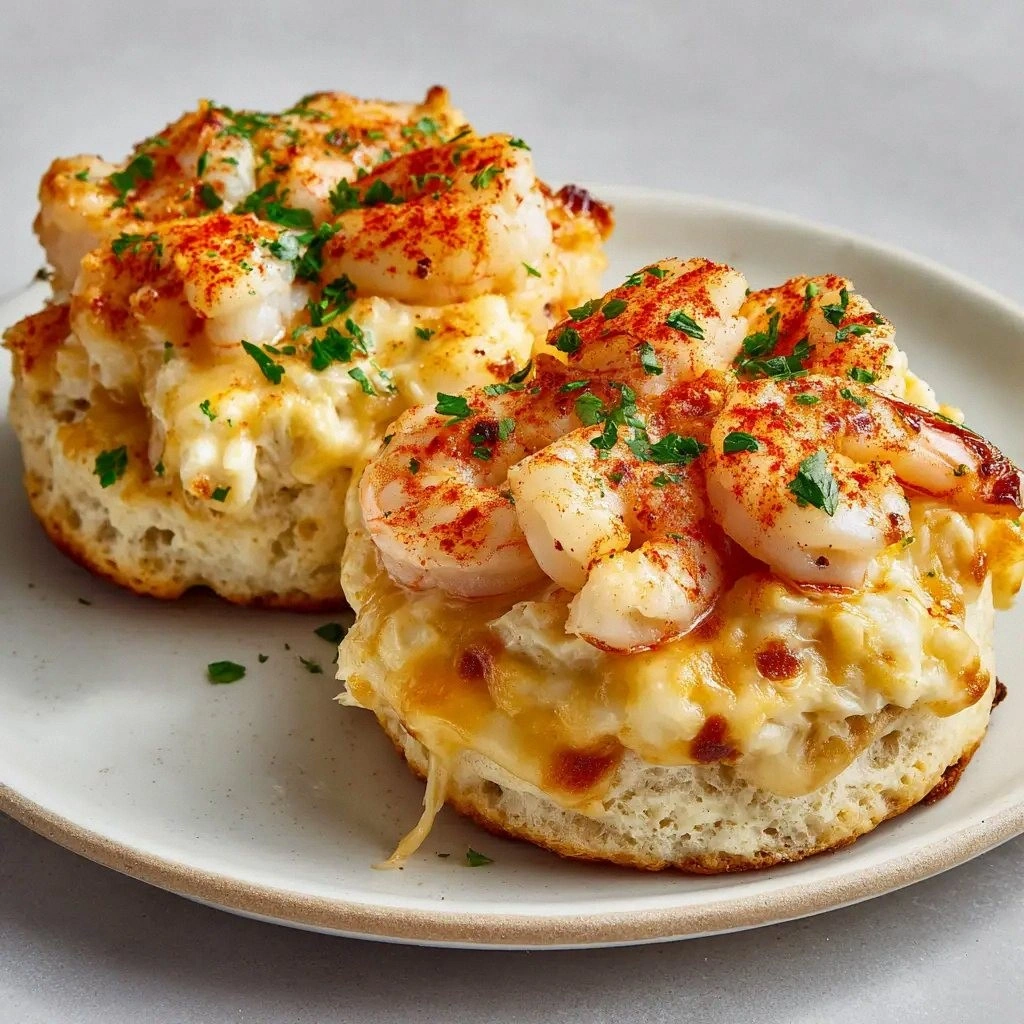
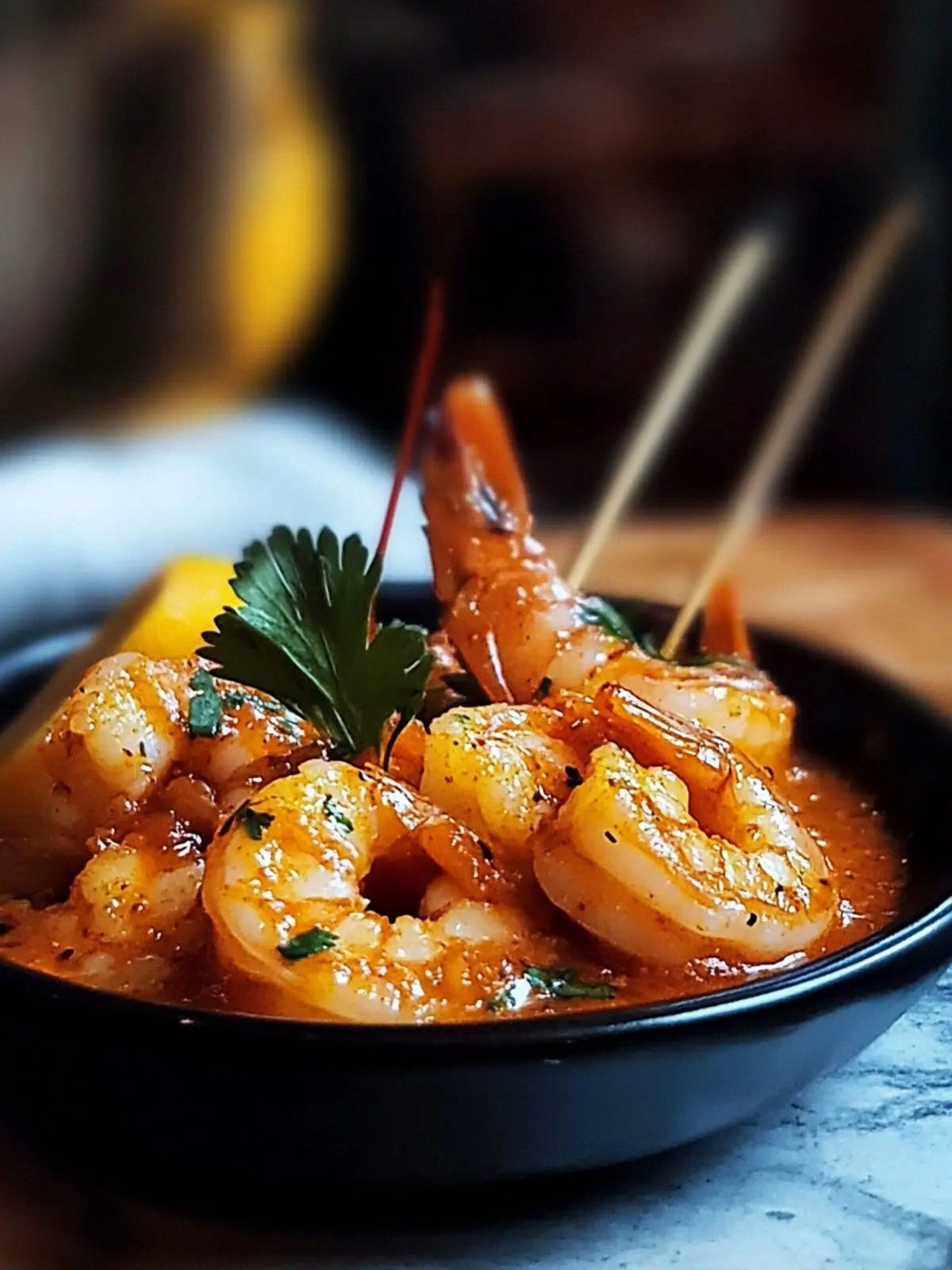
- Remove the skillet from heat and transfer the shrimp to a serving dish. The shrimp should be pink, juicy, and coated in a glossy, citrus‑spiced sauce. Let it rest for 30 seconds to allow the flavors to settle; this resting period ensures every bite is perfectly balanced.
- Finish with a sprinkle of fresh parsley or a drizzle of extra lemon zest for an added burst of color and flavor. Serve immediately over a bed of rice, pasta, or a crisp salad. This dish is best enjoyed hot, when the spices are at their most vibrant.
That's it — you did it. But hold on, I've got a few more tricks that'll take this to another level...
Insider Tricks for Flawless Results
The Temperature Rule Nobody Follows
Many cooks assume medium heat is fine, but the secret to a perfect sear is a hot skillet. A temperature of 375°F (190°C) gives the shrimp the caramelized crust it craves while preventing overcooking. If your stove doesn’t have a precise setting, preheat the pan for at least five minutes before adding oil.
Why Your Nose Knows Best
The aroma of garlic and spice is a reliable indicator of progress. When you smell the garlic sizzling, it means the oil is at the right temperature and the shrimp is browning. If the scent is weak, the heat is too low; if it’s overpowering, you’re risking a burnt exterior.
The 5‑Minute Rest That Changes Everything
After cooking, let the shrimp sit for exactly five minutes before serving. This short rest allows the juices to redistribute, resulting in a more tender, juicy bite. A friend once skipped this step and the shrimp came out dry—lesson learned the hard way.
The Quick Lemon Zest Boost
Adding a pinch of orange zest to the lemon juice elevates the citrus profile, giving the dish a subtle sweetness that balances the heat. It also adds a fragrant, bright aroma that makes the dish even more inviting. This small tweak turns a good dish into a memorable one.
The Right Pan Matters
A heavy‑bottomed skillet retains heat better and ensures an even sear. Cast iron, stainless steel, or enameled cast iron are excellent choices. Non‑stick pans may cause the shrimp to slide, making it harder to achieve a uniform crust.
Creative Twists and Variations
This recipe is a playground. Here are some of my favorite ways to switch things up:
Crispy Coconut Shrimp
Coat the seasoned shrimp in shredded coconut before searing. The coconut adds a crunchy, tropical twist and pairs wonderfully with the citrusy sauce. Serve over coconut rice for a complete island vibe.
Spicy Garlic Butter Shrimp
Replace olive oil with a butter‑garlic sauce for a richer, more indulgent flavor. The butter melts into the shrimp, creating a silky coating that’s hard to resist. Finish with a squeeze of lime for a bright finish.
Herb‑Infused Shrimp
Add a handful of fresh basil or cilantro to the pan during the last minute of cooking. The herbs release their aroma and add a fresh, green note that cuts through the heat. This variation is perfect for a light summer dinner.
Thai‑Inspired Shrimp
Swap the Cajun seasoning for a blend of lemongrass, galangal, and Thai bird’s eye chilies. Use coconut milk instead of olive oil for a creamy, tropical base. This version is great served over jasmine rice.
Salsa Verde Shrimp
Finish the shrimp with a spoonful of salsa verde, adding a tangy, herby finish that complements the citrus. The green sauce adds a vibrant color contrast and a burst of flavor. It’s a hit when served over grilled corn tortillas.
Almond‑Crusted Shrimp
Press finely chopped almonds onto the seasoned shrimp before searing. The almonds toast in the pan, adding a nutty crunch that pairs beautifully with the spicy sauce. Serve with a side of roasted vegetables for a balanced plate.
Storing and Bringing It Back to Life
Fridge Storage
Cool the shrimp completely before storing. Place them in an airtight container and refrigerate for up to two days. The citrusy sauce may thicken slightly, but it will remain flavorful.
Freezer Friendly
For longer storage, freeze the shrimp in a single layer on a baking sheet before transferring to a freezer bag. They’ll keep for up to three months. When ready, thaw in the refrigerator overnight.
Best Reheating Method
Reheat the shrimp in a skillet over medium heat, adding a splash of water or broth to steam it back to life. This small amount of liquid prevents the shrimp from drying out and restores the glossy sauce. Heat until warmed through, about 3–4 minutes.