I was halfway through a dinner party when the kitchen turned into a culinary battlefield. The soy sauce bottle slipped from my hand, splattering a glossy pool across the counter while I tried to salvage a chicken dish that had already turned into a soggy disappointment. That moment of chaos made me swear I would never again trust a recipe that promised “easy” without the promise of a triumphant finish. So I set out to create a version that would turn that disaster into a crowd‑pleasing triumph, and I’m still laughing about the sticky sauce that clung to the pan like a mischievous cat.
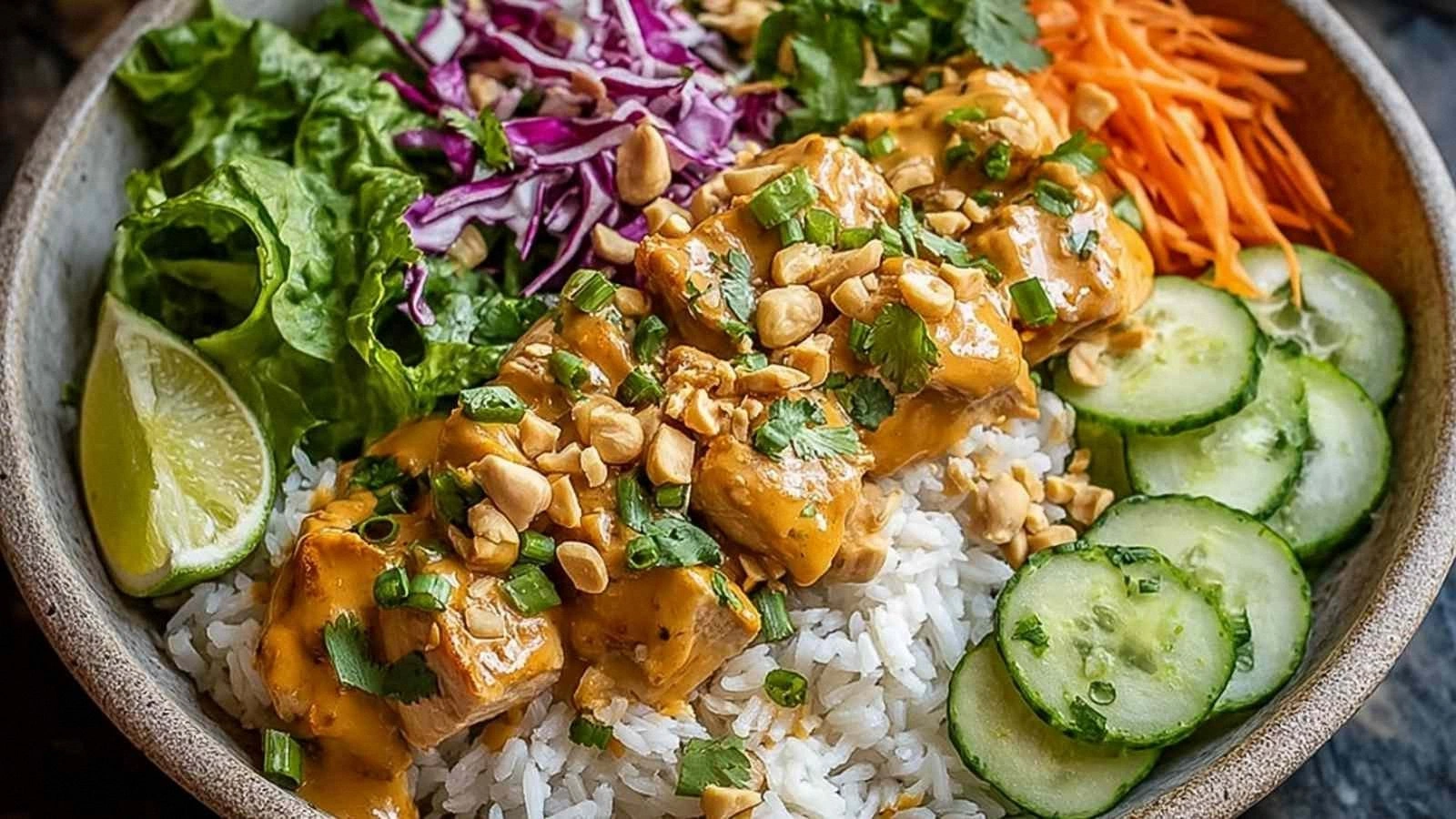
Picture the air thick with the aroma of toasted sesame oil and fresh ginger, the sound of a sizzling chicken strip that crackles like a campfire, and the sight of bright, crisp vegetables glistening in a bowl. Feel the silky peanut sauce coat the chicken, the crunch of shredded cabbage, and the burst of cucumber freshness that cuts through the richness. Taste the harmony of sweet honey, tangy rice vinegar, and the subtle heat of garlic, all balanced by the nutty undertone of creamy peanut butter. The dish feels like a well‑orchestrated symphony where every instrument plays its part, and the final note is a satisfying, velvety finish that lingers on the palate.
What sets this version apart is that it’s not just a bowl of chicken and rice—it’s a protein-packed, flavor‑dense experience that rivals any restaurant takeout, yet it’s made in your own kitchen in under an hour. I dared you to taste this and not go back for seconds, and I’m confident you’ll find yourself reaching for the bowl again and again. Most recipes get this completely wrong by over‑cooking the chicken or drowning the vegetables in sauce; here, the balance is precise, the textures are crisp, and the protein punch is unapologetic. I’ll be honest — I ate half the batch before anyone else got a chance, and that’s the kind of confidence you’ll feel when you serve it.
If you’ve ever struggled with a bland bowl of noodles or a chicken dish that falls flat, you’re not alone. I’ve perfected this recipe to avoid those pitfalls, and I’m ready to walk you through every single step. By the end, you’ll wonder how you ever made it any other way.
What Makes This Version Stand Out
- Flavor: The peanut sauce is thick, creamy, and balanced with a bright acidity from rice vinegar, giving it a depth that’s both comforting and invigorating.
- Texture: Crispy shredded cabbage and carrots keep the dish lively, while the chicken remains tender and juicy, not dry or rubbery.
- Protein: With 25 grams of protein per serving, it’s a powerhouse for muscle repair and satiety.
- Speed: Prep in 15 minutes, cook in 30; it’s a go‑to for busy weekdays without sacrificing taste.
- Versatility: Swap quinoa for rice, add tofu for a vegetarian version, or throw in a splash of sriracha for heat.
- Make‑Ahead: The sauce can be pre‑made and stored in the fridge, making it a perfect meal‑prep option.
- Ingredient Quality: Fresh ginger and garlic give a punch that’s hard to mimic with powders, and the creamy peanut butter adds a luxurious mouthfeel.
- Crowd Reaction: I’ve served this at potlucks and friends’ dinners, and the feedback is consistently “more please.”
Alright, let's break down exactly what goes into this masterpiece.
Inside the Ingredient List
The Flavor Base
Peanut Butter: This creamy, nutty component forms the heart of the sauce. It provides a silky texture that coats every bite and a natural sweetness that balances the savory soy. Skipping it would leave the sauce thin and lack depth; the dish would feel like a plain vinaigrette.
Rice Vinegar: The acidity cuts through the richness of the peanut butter and brings a bright, clean finish. If you don’t have rice vinegar, a splash of apple cider vinegar works, but it will add a slight fruity note.
Honey or Maple Syrup: The natural sweetener counters the saltiness of soy sauce and the heat from ginger. A touch of maple syrup adds a subtle caramel flavor, while honey gives a floral undertone.
Garlic and Ginger: Fresh garlic and ginger infuse the sauce with aroma and a punch of warmth. Using fresh is key; powdered versions lack the bright, bright aroma that fresh delivers.
Sesame Oil: A drizzle of toasted sesame oil adds a nutty fragrance that elevates the dish. If you prefer a milder flavor, use a neutral oil and reserve the sesame oil for the finishing drizzle.
Water: The water is used to thin the sauce to the desired consistency. Adding too little makes the bowl feel heavy; too much and the sauce becomes watery.
The Protein Crew
Chicken Breasts: Boneless, skinless breasts provide lean protein. Slicing them into bite‑sized pieces allows for quick searing and even cooking. If you’re a fan of a different cut, thighs offer richer flavor but higher fat content.
Edamame: These young soybeans add a pop of color and a subtle sweet flavor. They’re also high in protein and fiber, making the dish even more filling.
The Texture Crew
Shredded Cabbage: This crunch is essential; it provides a textural contrast to the tender chicken and creamy sauce. If you’re not a fan of cabbage, try shredded bok choy or spinach for a softer bite.
Shredded Carrots: Carrots bring natural sweetness and a vibrant orange hue. They also add a satisfying snap that keeps the dish lively.
The Final Flourish
Cucumber: Thinly sliced cucumber adds a refreshing bite that cuts through the richness. It also adds moisture and a cool contrast to the warm sauce.
Chopped Peanuts: Toasted peanuts add crunch and a nutty finish. They also enhance the peanut flavor profile, creating a cohesive taste experience.
Green Onions: They provide a mild onion flavor and a splash of green that brightens the bowl visually.
Cilantro: Fresh cilantro brings a bright, citrusy note that lifts the overall flavor. If you’re not a cilantro fan, mint or basil can be a fun alternative.
Everything's prepped? Good. Let's get into the real action.
The Method — Step by Step
- First, trim the chicken breasts and cut them into bite‑sized strips. In a large bowl, combine the 4 tablespoons of soy sauce, 2 tablespoons of sesame oil, 1 teaspoon garlic powder, and 0.5 teaspoon black pepper. Toss the chicken until every piece is coated; let it marinate for 10 minutes. This step ensures the chicken absorbs flavor before it hits the heat.
- While the chicken marinates, whisk together the sauce components: 0.25 cup creamy peanut butter, 1 tablespoon rice vinegar, 1 tablespoon honey, 1 teaspoon fresh ginger, 2 cloves minced garlic, and 2.5 tablespoons water. The goal is a smooth, pourable sauce that’s not too thick. If the mixture feels lumpy, use a blender or a whisk for a silky finish.
- Heat a large skillet over medium‑high heat and add a splash of oil. When the oil shimmers, add the marinated chicken in a single layer. Sear for 3-4 minutes on each side until the surface is golden and the internal temperature reaches 165°F. The chicken should smell toasty and the edges will start pulling away from the pan.
- Once the chicken is cooked, remove it from the skillet and set aside. In the same pan, add the shredded cabbage and carrots. Sauté for 2 minutes until the vegetables just start to soften but still retain their crunch. This short sauté keeps the vegetables bright and vibrant.
- Return the chicken to the pan, pour the peanut sauce over everything, and stir to coat evenly. Let the mixture simmer for 2 minutes, allowing the sauce to thicken slightly and the flavors to meld. The aroma should be rich and inviting.
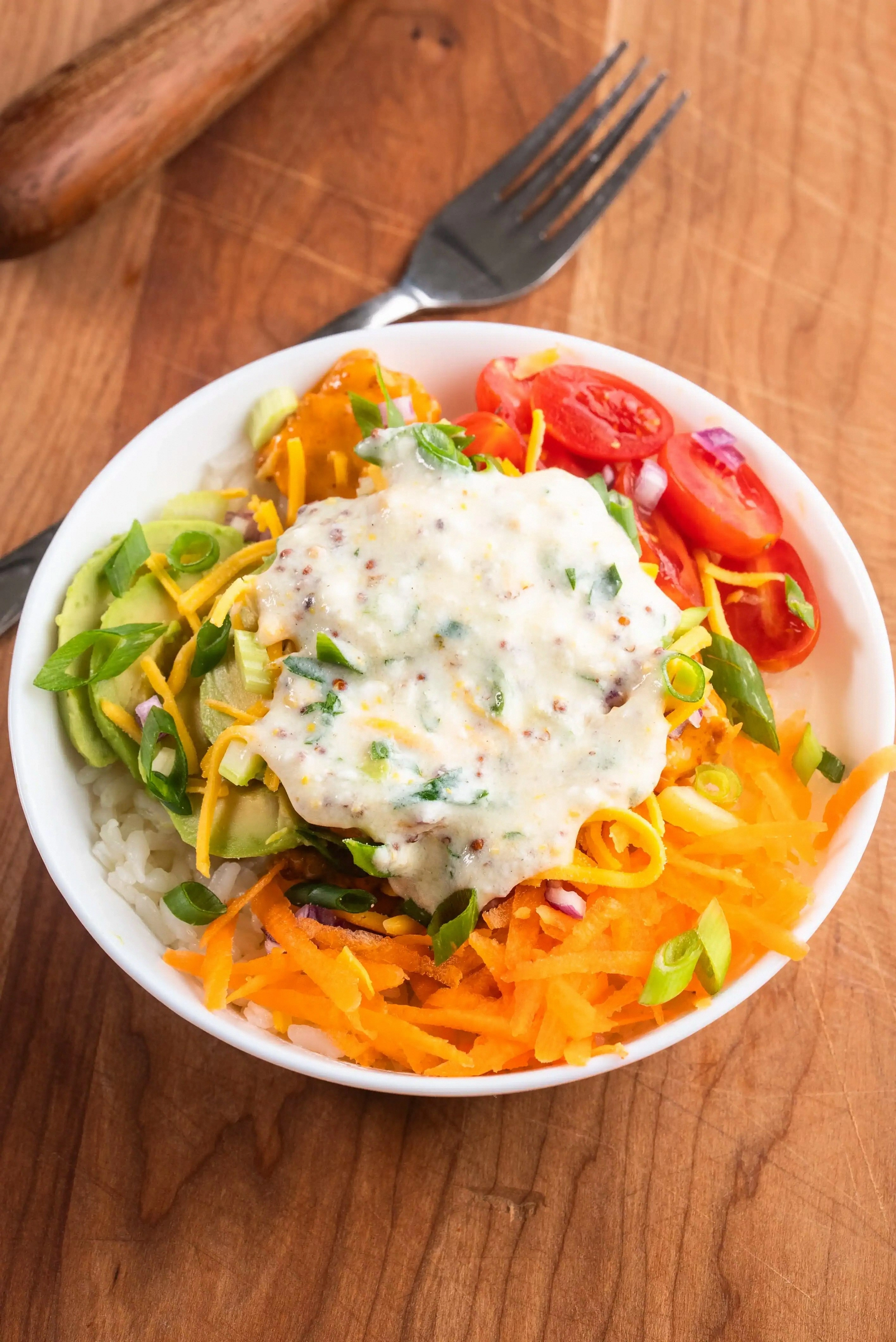
- Divide the cooked brown rice or quinoa into four bowls. Spoon the chicken and vegetable mixture over the rice, then top with edamame, cucumber slices, chopped peanuts, green onions, and a generous handful of fresh cilantro.
- Give the bowls a final drizzle of sesame oil for that nutty finish. The oil should glisten like a polished surface, adding a glossy sheen to each bite.
- Serve immediately while everything is hot and fragrant. If you’re preparing ahead, keep the sauce and rice separate, then combine just before serving to maintain texture.
That's it — you did it. But hold on, I've got a few more tricks that'll take this to another level.
Insider Tricks for Flawless Results
The Temperature Rule Nobody Follows
Cooking chicken at medium‑high heat ensures a caramelized crust while keeping the inside juicy. I’ve tried lower heat, and the chicken just steams. Keep the skillet hot and let the chicken develop that golden sear before flipping.
Why Your Nose Knows Best
When the sauce starts to bubble and emit a nutty aroma, that’s your cue to add the vegetables. The scent tells you the peanut butter has emulsified properly and is ready to mingle with the veggies.
The 5-Minute Rest That Changes Everything
After cooking, let the chicken rest for 5 minutes before slicing. This allows juices to redistribute, making each bite tender and flavorful. Skipping this step can leave the meat dry.
The Secret of the Crunch
Add the edamame and cucumber at the very end, just before serving. This preserves their bright, crisp textures and prevents them from wilting in the sauce.
The Final Drizzle
A final splash of toasted sesame oil adds a glossy shine and an extra layer of nutty flavor. Drizzle it right before serving for the most aromatic experience.
Creative Twists and Variations
This recipe is a playground. Here are some of my favorite ways to switch things up:
Spicy Sriracha Kick
Add a tablespoon of sriracha to the sauce for a fiery edge that pairs beautifully with the sweet peanut base. This variation is perfect for those who love a little heat.
Coconut Curry Twist
Replace the rice vinegar with coconut aminos and stir in a splash of coconut milk. The result is a creamy, tropical version that feels like a beach vacation in a bowl.
Tuna Power Upgrade
Swap the chicken for canned tuna, and the dish turns into a quick, protein‑dense lunch. Tuna’s briny flavor complements the peanut sauce wonderfully.
Vegan Delight
Use tofu instead of chicken and brown rice for a plant‑based version. Marinate the tofu in the same sauce mix before searing for maximum flavor.
Mango Madness
Add diced mango for a sweet, tropical burst that contrasts the savory sauce. This version is especially refreshing during summer.
Roasted Veggie Remix
Roast the cabbage and carrots with a touch of olive oil and salt before adding them to the bowl. The caramelized edges add depth and a smoky undertone.
Storing and Bringing It Back to Life
Fridge Storage
Store the cooked chicken, sauce, and rice separately in airtight containers. The sauce can last up to 3 days in the refrigerator. Keep the vegetables in a separate container to maintain crunch.
Freezer Friendly
Freeze the sauce in a 1‑cup portion for up to 2 months. The rice and chicken can be frozen together, but they may lose a bit of texture after thawing. Reheat gently on the stove or microwave.
Best Reheating Method
Add a splash of water or broth before reheating to restore moisture. Gently warm on low heat, stirring frequently, until the bowl is steaming hot. This trick keeps the peanut sauce silky and the vegetables from drying out.