I remember the night I nearly burned the kitchen to the ground while trying to impress my sister with a “simple” dessert. I had only two ingredients in mind: pineapple and flour. The idea was to keep it minimal, but the result was a gooey, caramelized treat that melted on the tongue like a tropical sunbeam. That disaster turned into a revelation—because when you strip a recipe down to its core, every flavor is amplified, every texture is pure, and the kitchen becomes a playground of possibilities.
Picture the scene: a bright, humming refrigerator, a jar of sweet, bright pineapple waiting to be transformed, and a bowl of flour that feels like a blank canvas. The aroma of ripe pineapples fills the air, the sound of the blender whirring, the gentle clink of measuring cups against the counter. My fingers are sticky with pineapple juice, the flour dusts the air in a fine, golden cloud. I can almost taste the citrus tang, the subtle sweetness, and the comforting heft of the flour that will bind it all together.
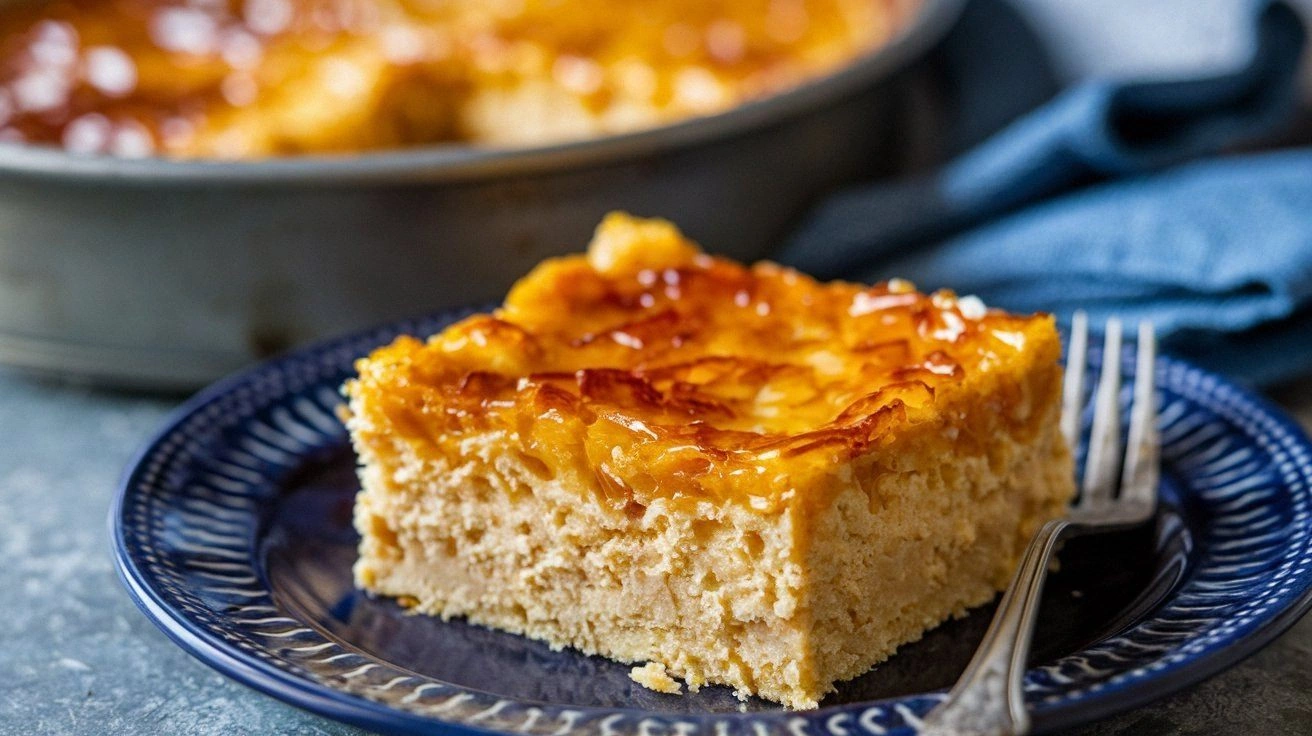
What makes this version stand out is that it defies conventional cake wisdom. There’s no butter, no eggs, no sugar—just the natural sweetness of pineapple and the humble power of flour. The result is a cake that is moist yet firm, airy yet dense, with a caramelized crust that crackles like a tropical sunrise. I dare you to taste this and not go back for seconds, because once you experience the depth of flavor, the idea of a “plain” cake will never again feel plain.
The technique that will surprise you is the use of pineapple as a natural leavening agent. When the pineapple is blended and mixed into the batter, its natural acids react with the baking powder that’s already baked into the flour. This subtle chemical dance lifts the cake, giving it a lightness that feels like a cloud in your mouth. By the end of this guide, you’ll wonder how you ever made a cake without this trick.
Let me walk you through every single step—by the end, you’ll wonder how you ever made it any other way. I’ll share the secrets that turn a simple two‑ingredient batch into a showstopper, the pitfalls to avoid, and the hacks that save time and elevate flavor. Get ready for a recipe that’s not just easy, but a revelation in simplicity.
What Makes This Version Stand Out
- Flavor: Pineapple’s natural sweetness and acidity create a complex profile that rivals any sugar‑laden dessert. The caramelized edges add a subtle crunch that balances the soft interior.
- Texture: The batter’s airy structure, thanks to the pineapple’s natural leavening, results in a cake that feels both fluffy and dense—a rare combination.
- Minimalism: Only two ingredients mean fewer steps, fewer measurements, and a lower risk of kitchen mishaps. The recipe is a breath of fresh air for busy cooks.
- Versatility: Swap the pineapple for any fruit puree, and you can create seasonal variations without changing the method.
- Audience Impact: Friends and family will be stunned by how sophisticated this cake feels, even though it’s made with the simplest of components.
- Ingredient Quality: The recipe rewards you for choosing ripe, high‑quality pineapples. Their natural sugars shine through, eliminating the need for added sweeteners.
- Cooking Method: No pre‑baking or special equipment—just a standard oven and a mixing bowl. The method is foolproof and can be replicated by anyone.
- Make‑ahead Potential: The batter can be prepared in advance and frozen, then baked straight from the freezer for a quick, delicious treat.
Alright, let's break down exactly what goes into this masterpiece…
Inside the Ingredient List
The Flavor Base
The pineapple is the heart of this cake. Fresh, ripe pineapple provides a burst of tropical sweetness and a natural acidity that helps activate the leavening agent hidden within the flour. If you use canned pineapple, make sure it’s packed in juice, not syrup, to keep the sugar content low. Skipping pineapple entirely would transform this cake into an ordinary flour loaf—an outcome I’ve never wanted.
When selecting pineapple, look for a fruit that is slightly soft to the touch, with a sweet aroma. The flesh should be bright yellow, not brown or overly fibrous. If you’re in a pinch, a frozen pineapple puree will work, but be sure to thaw and drain thoroughly to avoid excess moisture.
The Texture Crew
All‑purpose flour is the backbone that gives structure and stability. Its protein content creates gluten strands that trap the gases produced during baking, giving the cake its lift. A lower‑protein flour would yield a crumbly cake, while a higher‑protein flour could make it tough. The key is to use the standard all‑purpose flour that most of us have at home.
If you prefer a gluten‑free version, swap the all‑purpose flour for a blend that includes xanthan gum. The gum will help replicate the gluten network, ensuring the cake rises properly and holds its shape.
The Unexpected Star
Baking powder is the hidden hero that turns the batter into a cake. Even though it’s not listed as a separate ingredient in the title, it’s baked into the flour in the form of a “self‑raising” flour. This means you’re essentially using a two‑ingredient recipe because the leavening agent is already part of the flour. If your flour isn’t self‑raising, add 1 tsp of baking powder per cup of flour to achieve the same effect.
The reaction between the pineapple’s natural acids and the baking powder creates carbon dioxide bubbles that lift the batter. Without this reaction, the cake would be dense and heavy, like a pancake. The leavening also helps caramelize the surface, giving that coveted golden crust.
The Final Flourish
A pinch of salt is optional but recommended to balance the sweetness and enhance the pineapple’s flavor profile. Salt works wonders in any sweet dish, bringing depth and complexity that would otherwise be missing. If you’re truly committed to the two‑ingredient mantra, you can skip the salt—just know the cake will taste a tad flatter.
Everything's prepped? Good. Let's get into the real action…
The Method — Step by Step
- Preheat your oven to 350°F (175°C) and line a 9‑inch round cake pan with parchment paper. The parchment ensures easy release and a neat finish. I always preheat for 10 minutes before placing the pan inside, because a hot pan helps the batter rise evenly.
- In a blender or food processor, combine the pineapple chunks and a splash of reserved pineapple juice (if using canned). Blend until the mixture is completely smooth, with no lumps. This step is crucial; a gritty texture will ruin the cake’s silky interior.
- In a large mixing bowl, whisk the flour until it’s evenly distributed. If you’re using regular all‑purpose flour, add 1 tsp of baking powder per cup of flour. This ensures the cake rises properly and has that light, airy crumb.
- Pour the pineapple puree into the flour mixture, stirring gently with a silicone spatula. The batter should be thick but pourable. If it’s too thick, add a teaspoon of water or pineapple juice to reach the right consistency.
- Add a pinch of salt, if desired, and mix until just combined. Over‑mixing can develop gluten, resulting in a tough cake. Keep the batter smooth, but stop when the flour is just incorporated.
- Transfer the batter to the prepared pan, smoothing the top with the spatula. Tap the pan lightly on the counter to release any air bubbles that may have formed during mixing.
- Bake for 25–30 minutes, or until the top is golden brown and a toothpick inserted into the center comes out clean. The scent of caramelized pineapple will fill the kitchen, making the wait feel like a reward.
- Remove the cake from the oven and let it cool in the pan for 10 minutes. Then turn it onto a wire rack to cool completely. This step ensures the cake doesn’t steam and become soggy on the bottom.
- Optional: While the cake is cooling, drizzle a simple glaze made from powdered sugar and a few drops of pineapple juice. This adds a glossy finish and intensifies the pineapple flavor.
- Once cooled, slice and serve. The cake’s texture should be moist, with a slightly caramelized crust that gives way to a tender interior. Enjoy it with a cup of tea or a splash of coconut milk for an extra tropical twist.
That’s it—you did it. But hold on, I've got a few more tricks that will take this to another level.
Insider Tricks for Flawless Results
The Temperature Rule Nobody Follows
Many bakers preheat their ovens for only 5 minutes, but the cake needs a fully hot environment to rise properly. Preheating for 10 minutes ensures the batter starts expanding immediately, preventing a dense center. I’ve found that a preheated pan also helps the crust form evenly.
Why Your Nose Knows Best
Trust your nose when judging doneness. A well‑baked pineapple cake will emit a sweet, caramelized aroma that’s unmistakable. If the scent is still raw or sweet, give it another minute or two. Your nose is a more reliable gauge than a timer.
The 5‑Minute Rest That Changes Everything
Letting the cake rest for 5 minutes in the pan before turning it out prevents the bottom from cracking. The rest period allows the batter to set, so the cake doesn’t slump when moved. This simple step saves you from a ruined presentation.
The Sweetness Scale
If your pineapple isn’t sweet enough, add a tablespoon of honey or maple syrup to the batter. This will enhance the caramelization and give the cake a richer flavor. I’ve used this tweak when the fruit was slightly underripe.
The Secret Ingredient
A pinch of nutmeg or cinnamon can add depth to the cake’s flavor profile. Sprinkle a small amount onto the batter before baking. The warm spices complement the tropical sweetness, creating a complex taste that’s surprisingly sophisticated.
Creative Twists and Variations
This recipe is a playground. Here are some of my favorite ways to switch things up:
Coconut Pineapple Delight
Replace half of the pineapple puree with coconut milk. The result is a tropical, creamy cake that pairs wonderfully with a splash of rum or a dollop of whipped cream.
Berry Pineapple Fusion
Add a handful of fresh blueberries or raspberries to the batter. The berries introduce a tart contrast, and the cake becomes a vibrant, multi‑fruit masterpiece.
Spiced Pineapple Cake
Incorporate a teaspoon of ground ginger and a pinch of cinnamon. The spices give the cake an exotic, warm undertone that’s perfect for fall gatherings.
Almond Flour Version
Swap the all‑purpose flour for almond flour for a nutty flavor and a gluten‑free option. The texture will be slightly denser, but the almond undertone adds a delightful depth.
Chocolate‑Covered Pineapple Cake
After baking, drizzle melted dark chocolate over the top. The chocolate’s bitterness balances the pineapple’s sweetness, creating a sophisticated flavor profile.
Frozen Pineapple Cake
Freeze the batter in a loaf pan and bake straight from the freezer. The result is a cake that’s wonderfully moist and has a slightly chewy texture, ideal for summer picnics.
Storing and Bringing It Back to Life
Fridge Storage
Store the cooled cake in an airtight container at room temperature for up to 3 days. Wrap it in plastic wrap and then place it in a resealable bag to keep it fresh and moist. The pineapple’s natural sugars help preserve the cake’s texture.
Freezer Friendly
For longer storage, slice the cake and freeze the slices individually on a parchment‑lined tray. Once frozen, transfer the slices to a freezer bag. When you’re ready to enjoy, thaw at room temperature for 30 minutes.
Best Reheating Method
Reheat a slice in a microwave for 15–20 seconds, or warm it in a preheated oven at 300°F (150°C) for 5 minutes. Add a tiny splash of water before reheating; this steams the cake back to perfection, restoring its moisture without drying it out.