I was standing in a cramped kitchen, the air thick with the scent of frying oil and the sweet promise of banana. I had just pulled a bag of spring roll wrappers from the pantry, hoping to salvage a forgotten batch of saba bananas and a half‑ripe jackfruit that had been sitting on my counter for weeks. My friend had dared me to create something spectacular out of these humble ingredients, and I, ever the culinary enthusiast, swore I would deliver a dessert that would make our taste buds dance.
The moment the first wrapper hit the hot pan, a crackling symphony erupted, and the aroma of caramelized sugar swirled through the room like a warm hug. I could almost taste the tropical sweetness of the jackfruit mingling with the mellow richness of the saba bananas, all wrapped in a golden, crispy shell. That sizzling sound was not just a cue; it was a promise that something extraordinary was about to happen.
Most people think of turon as a simple fried snack, but this version is hands down the best you’ll ever make at home. The secret? A delicate balance of textures—crisp on the outside, chewy and caramelized on the inside—paired with the unmistakable umami of ripe jackfruit and the subtle sweetness of saba bananas. I dare you to taste this and not go back for seconds. If you’ve ever struggled to get the perfect crunch or the right level of caramelization, you’re not alone—and I’ve got the fix.
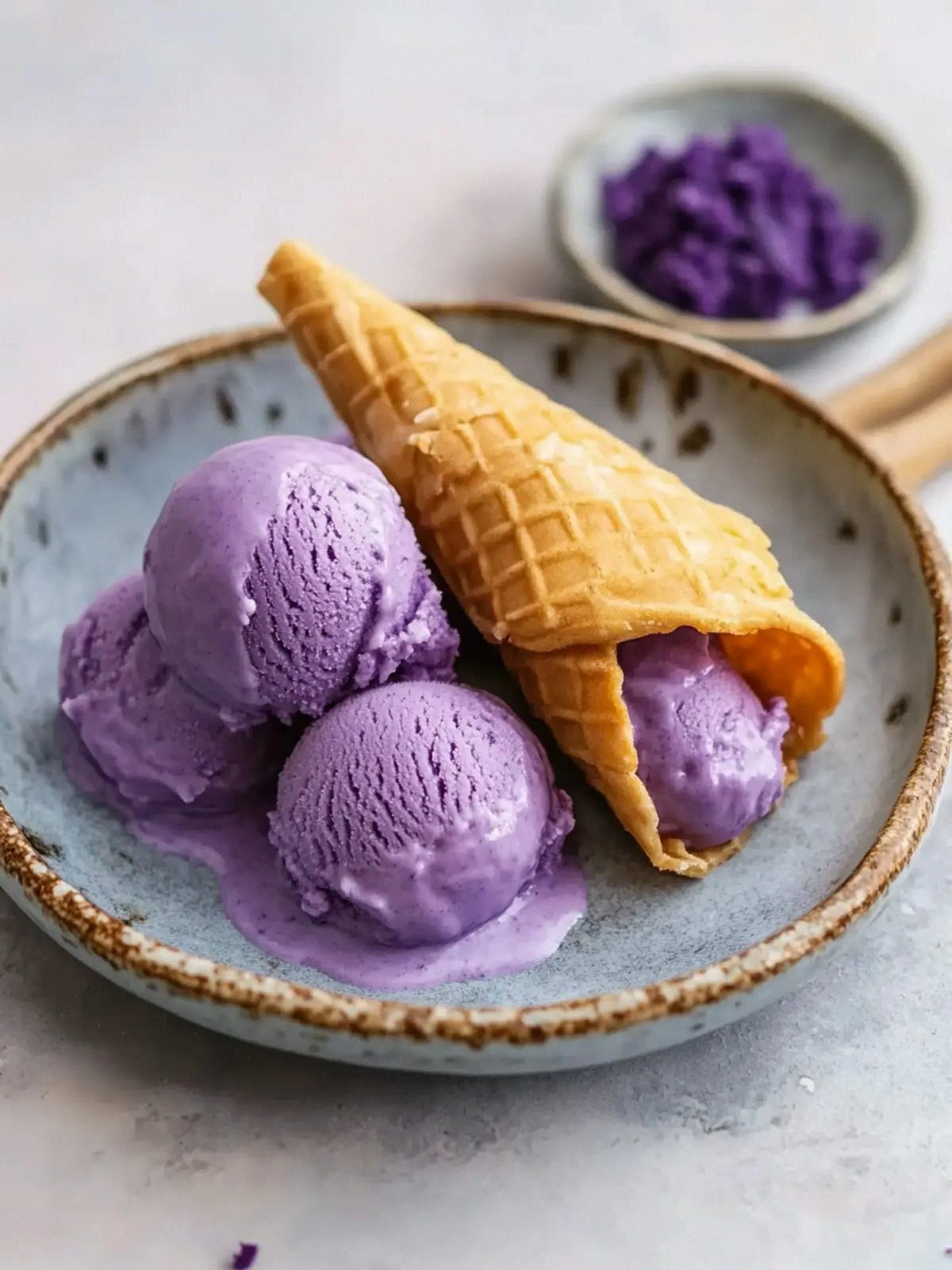
Picture yourself pulling this out of the pan, the whole kitchen smelling incredible, and then dipping it into a scoop of vibrant ube ice cream that melts into a silky, purple drizzle. This is not just a dessert; it’s a moment of pure joy that will make your friends gasp. Let me walk you through every single step—by the end, you’ll wonder how you ever made it any other way.
What Makes This Version Stand Out
- Crunch: The wrappers are fried to a golden, almost translucent finish, giving a crunch that shatters like thin ice when you bite. It’s the first thing that sets this turon apart from the usual chewy roll.
- Sweetness: Light brown sugar is the star of the show, caramelizing into a glossy coating that coats each bite like velvet. No sugar overload, just the right balance.
- Texture: Inside, the saba banana softens into a silky custard while the jackfruit stays juicy, creating a delightful contrast that keeps you coming back.
- Flavor Depth: The combination of tropical fruit, caramelized sugar, and the subtle earthy notes of ube ice cream gives a layered taste profile that feels both exotic and comforting.
- Ease of Prep: With only five ingredients, this recipe is a breeze. No complicated sauces or long marination times—just quick assembly and a quick fry.
- Make‑ahead Friendly: You can assemble the rolls ahead of time, refrigerate, and fry them fresh when you’re ready to serve. They hold up well and stay crisp.
- Party Appeal: Whether you’re hosting a game night or a quiet evening, these turon are crowd‑pleasers that pair beautifully with a scoop of ube ice cream.
- Visual Delight: The vibrant green of the wrappers, the golden caramel, and the purple swirl of ube ice cream create an Instagram‑worthy plate that’s as fun to look at as it is to eat.
Alright, let’s break down exactly what goes into this masterpiece. And before we dive in, here’s a quick kitchen hack that will save you time and keep your work surface tidy.
Inside the Ingredient List
The Flavor Base
Light brown sugar is the backbone of this turon. Its molasses undertones caramelize beautifully when heated, forming a glossy, caramelized crust that hugs each wrapper. If you skip this sugar, the rolls lose their signature sweetness and become bland. A quick swap is to use dark brown sugar for an even deeper flavor, but keep in mind that it will darken the exterior.
The Texture Crew
Saba bananas are the key to a chewy, custard‑like interior. Their natural starch content creates a smooth, almost creamy texture once fried. If you’re in a pinch and don’t have saba, you can use ripe plantains, but be prepared for a slightly sweeter bite. The spring roll wrappers, meanwhile, provide that crisp, golden shell that gives the dish its signature crunch.
The Unexpected Star
Ripe jackfruit isn’t just a fruit; it’s a flavor explosion. The fibrous flesh carries a subtle sweetness that balances the banana’s richness. When fried, it becomes tender yet retains a slight chew, adding depth to the roll’s interior. If you’re adventurous, try mixing in a splash of lime juice to brighten the jackfruit’s natural flavor.
The Final Flourish
Vegetable oil is the unsung hero of this recipe. It allows the wrappers to fry to a perfect crisp without absorbing excess oil. Use a neutral oil with a high smoke point, like canola or grapeseed, for the best results. If you prefer a healthier option, you can lightly spray the wrappers with cooking spray and reduce the oil volume by half.
Everything’s prepped? Good. Let’s get into the real action.
The Method — Step by Step
- Prep the Filling: Slice the saba bananas into 1‑inch thick rounds, then cut each round into quarters. Slice the jackfruit into bite‑sized cubes. In a bowl, gently mix the banana and jackfruit pieces with a pinch of salt. This will help the fruits release a bit of moisture, creating a more cohesive filling. I’ve found that letting the mixture sit for 10 minutes allows the flavors to mingle.
- Heat the Oil: Fill a deep skillet or wok with enough vegetable oil to submerge the wrappers halfway. Heat the oil to 350°F (175°C). Use a thermometer if you have one; otherwise, drop a small piece of wrapper in the oil—if it sizzles immediately and starts to brown, the temperature is right. The oil should be hot enough that the wrappers puff up and turn golden quickly.
- Assemble the Rolls: Lay a wrapper flat on a clean surface. Place a spoonful of the banana‑jackfruit mixture in the center, then sprinkle a small amount of light brown sugar over it. Fold the sides of the wrapper over the filling and roll tightly, sealing the edge with a dab of water. Repeat until all wrappers are filled. If you’re making a batch, keep the filled rolls warm under a clean towel.
- Fry the Turon: Carefully slide a few rolls into the hot oil, leaving space between them. Fry each side for 2–3 minutes, or until the wrappers are a deep golden brown and the sugar has caramelized into a glossy glaze. Watch for the edges to start pulling away from the wrapper—a sign that the sugar is fully set. Flip with tongs for even cooking.
- Drain and Cool: Remove the fried rolls with a slotted spoon and place them on a paper‑towel‑lined plate to drain excess oil. Let them rest for 2 minutes so the caramel can set and the interior can cool slightly. The first sizzle when the hot oil meets the wrapper is absolute perfection.
- Serve with Ube Ice Cream: Scoop a generous portion of ube ice cream onto a plate and arrange the turon beside it. As the ice cream melts, it will drizzle over the crispy edges, creating a luscious, purple‑white swirl that looks as good as it tastes. If you prefer a more dramatic presentation, drizzle a little caramel sauce over the top.
- Optional Garnish: Sprinkle toasted coconut flakes or a dusting of powdered sugar for an extra touch of flavor and texture. A few fresh mint leaves also add a pop of color and a subtle aroma.
- Enjoy Immediately: These turon are best served hot, while the exterior remains crisp and the interior is warm. If you have leftovers, reheat them in a skillet for 1–2 minutes to restore crispness.
That’s it—you did it. But hold on, I’ve got a few more tricks that will take this to another level.
Insider Tricks for Flawless Results
The Temperature Rule Nobody Follows
Oil temperature is the secret to a crisp exterior and a tender interior. If the oil is too hot, the sugar burns before the wrapper cooks; too cool, and the wrappers absorb oil and become greasy. Use a thermometer or the “water drop test”—drop a tiny drop of water into the oil; if it sizzles instantly, the oil is ready. I’ve learned that a steady 350°F is the sweet spot for this recipe.
Why Your Nose Knows Best
Your nose can detect when the sugar has caramelized to the right level. A warm, nutty aroma signals that the sugar has formed a glossy glaze. If it smells too sweet or sharp, you’re overcooking. Trust your olfactory senses—they’re often more accurate than a timer.
The 5‑Minute Rest That Changes Everything
Letting the turon rest on a paper‑towel‑lined plate for exactly five minutes allows the sugar to set and the interior to cool slightly, preventing a soggy bite. I’ve seen people skip this step and end up with a mushy center. The rest also lets the wrappers relax, making them easier to handle when you plate them.
Use a Light Hand with Sugar
It’s tempting to pile on the sugar for extra sweetness, but too much can create a sticky, clumpy glaze that clings to the wrappers. A light dusting is enough to achieve that caramelized sheen. If you want a sweeter version, add a drizzle of honey on top after frying.
Keep the Filling Moist
The saba bananas and jackfruit release moisture as they fry, which helps create a creamy interior. If the filling feels dry, add a splash of coconut milk or a few drops of vanilla extract to the mixture before rolling. This not only adds flavor but also improves the texture.
Creative Twists and Variations
This recipe is a playground. Here are some of my favorite ways to switch things up:
Chocolate‑Infused Turon
Add a tablespoon of cocoa powder to the sugar before coating the filling. The chocolate pairs beautifully with the banana and jackfruit, creating a dessert that feels like a chocolate‑fruit fusion.
Spiced Coconut Turon
Sprinkle a pinch of ground ginger and cinnamon to the sugar. The warm spices give the turon a holiday‑like aroma, perfect for winter gatherings.
Savory Twist
Replace the sugar with a savory sauce made from soy sauce, a dash of sesame oil, and a touch of honey. Pair with a sprinkle of chopped scallions for a sweet‑savory snack that’s great for appetizers.
Mango & Coconut Turon
Swap the saba bananas for ripe mango slices and add shredded coconut to the filling. The tropical flavor profile is refreshing and pairs well with a coconut‑flavored ice cream.
Vegan Turon
Use plant‑based milk to soften the banana‑jackfruit mixture and a vegan butter alternative for frying. This keeps the dish completely plant‑based while preserving the classic taste.
Gourmet Turon
Finish the turon with a drizzle of caramel sauce, a dusting of sea salt, and a sprinkle of toasted pistachios. The combination of sweet, salty, and nutty flavors elevates the dish to dessert‑restaurant level.
Storing and Bringing It Back to Life
Fridge Storage
Store the fried turon in an airtight container in the refrigerator for up to 3 days. Keep them on a paper towel to absorb excess moisture. When ready to serve, reheat in a skillet for 1–2 minutes to restore crispness.
Freezer Friendly
Wrap each turon individually in parchment paper and place them in a freezer bag. They remain fresh for up to 2 weeks. Thaw at room temperature before reheating.
Best Reheating Method
To revive the crunch, heat a non‑stick skillet over medium heat and place the turon in it. Flip once and heat for 30 seconds on each side. Add a splash of water before reheating to steam the interior back to perfection.