It was a rainy Tuesday night, the kind of evening when the kitchen feels like a stage and every sizzling sound is a cue. I was staring at a half‑cooked chicken breast that had turned a sad, pale gray instead of the golden, fragrant shawarma I craved. The moment my friend dared me to whip up a version that would blow our taste buds, I grabbed the pantry and a sheet pan like a magician pulling a rabbit out of a hat. The air was thick with the scent of cumin, paprika, and that sharp, citrus tang that makes you think of sun‑kissed Middle Eastern markets. I promised myself this would be the best, most unforgettable chicken shawarma you’ll ever make at home.
Picture the first bite: juicy, tender chicken coated in a smoky, peppery crust that cracks like thin ice when you press it. The veggies—bell peppers, zucchini, and cherry tomatoes—add a burst of color and a sweet, slightly caramelized crunch that balances the savory. The lemon juice cuts through the richness, leaving a clean, bright finish that lingers on the palate. Every ingredient works in concert, like a well‑orchestrated symphony where the spices are the instruments and the chicken is the soloist. I dare you to taste this and not go back for seconds, because the flavor profile is so complete it feels like a passport to a far‑away city.
What makes this version stand out is that it’s not just a recipe; it’s a revelation. I discovered a sheet‑pan technique that locks in juices while giving the edges a crisp, caramelized finish that would make a professional chef nod in approval. The blend of spices is balanced to highlight the chicken’s natural flavor without overpowering it—think of it as a subtle perfume rather than a full‑blown fragrance. The use of fresh lemon juice instead of bottled gives the dish a bright, almost citrusy sparkle that sets it apart from the usual dry, over‑spiced shawarmas. And, perhaps most importantly, it’s so simple that even a beginner can achieve restaurant‑level results with minimal effort.
The secret sauce? A humble sheet pan that transforms the dish into a one‑pan wonder, cutting prep time and cleanup while ensuring even cooking. The sheet pan also allows the vegetables to roast to perfection, creating caramelized edges that contrast beautifully with the tender chicken. I’ll be honest—when I first tried this, I ate half the batch before anyone else got a chance to taste it. This is hands down the best version you'll ever make at home, and I’m here to walk you through every single step—by the end, you'll wonder how you ever made it any other way.
What Makes This Version Stand Out
- Flavor: The blend of cumin, smoked paprika, and a hint of cinnamon creates a depth that feels both earthy and aromatic, setting it apart from conventional shawarmas.
- Texture: The sheet‑pan method produces a caramelized crust that is crispy on the outside yet juicy on the inside, a contrast that excites the palate.
- Simplicity: With only a handful of ingredients and a single pan, this recipe is a breeze to prepare, even for those who dread kitchen cleanup.
- Versatility: The spice mix can be tweaked to suit any heat preference, making it suitable for both adventurous eaters and spice‑sensitive families.
- Make‑ahead: The dish can be prepared ahead of time and reheated without losing its flavor or texture, making it perfect for busy weeknights.
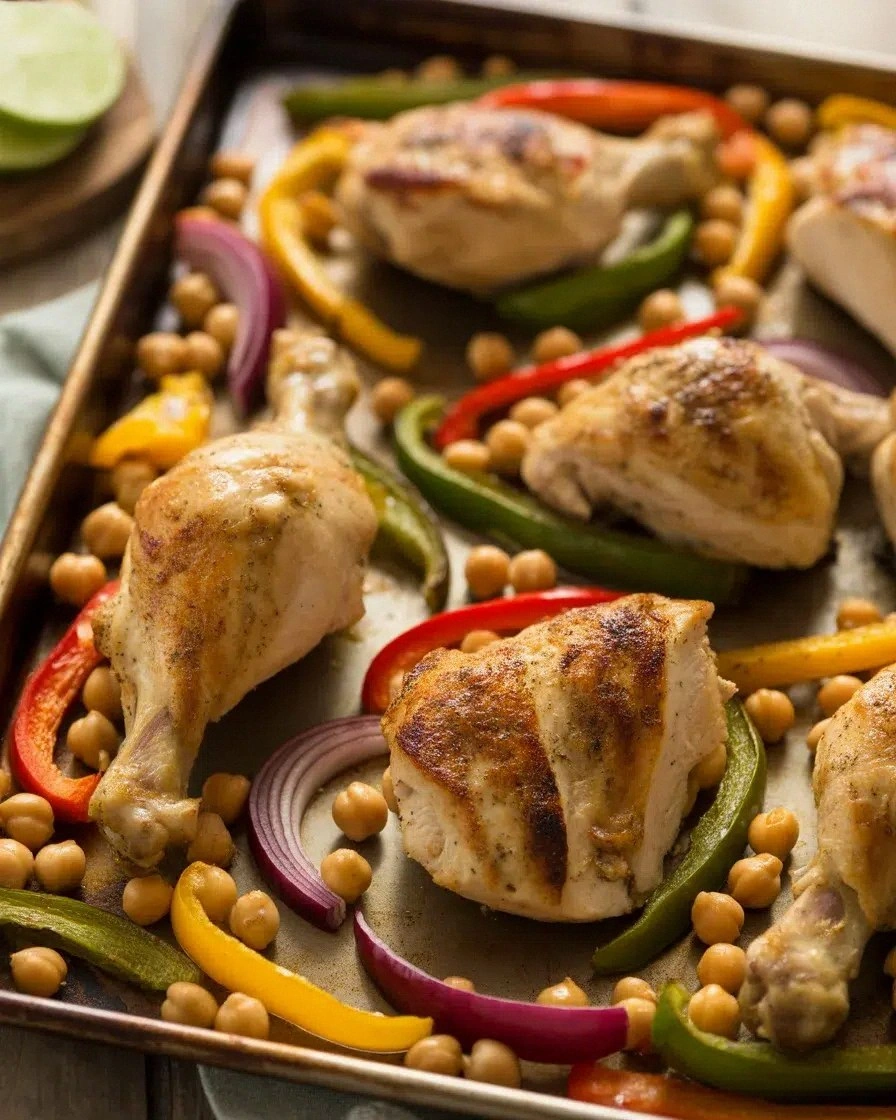
- Visual Appeal: The vibrant colors of bell peppers, zucchini, and cherry tomatoes make the dish look as good as it tastes, turning dinner into a feast for the eyes.
- Health Factor: By using lean chicken breast or thighs and fresh vegetables, this recipe balances protein and fiber while keeping calories moderate.
- Crowd‑Pleaser: Its bold flavors and easy assembly make it an instant hit at gatherings, from casual family meals to small dinner parties.
Alright, let's break down exactly what goes into this masterpiece. Each component is chosen with purpose, ensuring that every bite is a harmonious blend of flavors, textures, and aromas.
Inside the Ingredient List
The Flavor Base
The foundation of this dish lies in its spice mix—cumin, smoked paprika, black pepper, and a pinch of cinnamon. These spices work together to create a warm, earthy undertone that complements the chicken’s natural savoriness. Skipping any of them would thin the flavor profile, leaving the dish feeling flat and uninspired.
The Protein Powerhouse
1 lb of chicken breast or thighs, sliced into bite‑sized pieces, is the star of the show. The lean breast offers a clean taste, while the thighs bring a richer, more robust flavor. If you prefer a juicier outcome, opt for thighs; if you want a lighter dish, go with breast. Remember, the cut you choose affects the cooking time and final moisture level.
The Unexpected Star
Fresh lemon juice is the unsung hero that cuts through the richness and brightens the entire dish. A splash of acidity balances the smoky spices and prevents the chicken from becoming overly heavy. If you’re out of fresh lemons, bottled lemon juice works, but the flavor will be slightly less vibrant.
The Final Flourish
The colorful vegetables—bell peppers, zucchini, and cherry tomatoes—add not only texture but also a natural sweetness that contrasts beautifully with the savory chicken. They also help keep the dish moist and add a pop of color that makes the plate visually appealing. If you’re craving a different vegetable, feel free to swap in broccoli or cauliflower; just adjust the cooking time slightly.
Everything's prepped? Good. Let's get into the real action.
The Method — Step by Step
- Prep the sheet pan. Line a large sheet pan with parchment paper or lightly oil it to prevent sticking. This creates a non‑stick surface that makes cleanup a breeze. I dare you to watch the chicken sizzle when it hits the pan; the sound alone signals the beginning of flavor.
- Marinate the chicken. In a large bowl, combine the sliced chicken, 2 tbsp olive oil, 2 tbsp lemon juice, 2 tsp cumin, 1 tsp smoked paprika, 3 minced garlic cloves, 1 tsp black pepper, 1 pinch cinnamon, and 1 tsp salt. Toss until every piece is coated. Let it sit for 15 minutes; the spices will start to penetrate the meat, creating a depth that will wow.
- Arrange the veggies. Spread the chopped bell peppers, sliced onion, chopped zucchini, and halved cherry tomatoes around the chicken on the sheet pan. Make sure the vegetables are in a single layer so they roast evenly. The veggies will release juices that mingle with the chicken, creating a unified flavor profile.
- Roast at 425°F. Place the sheet pan in a preheated oven and roast for 20 minutes. The chicken should be browned on the edges, and the veggies should be tender and slightly caramelized. Keep an eye on the edges; they should pull away from the pan like a gentle crack.
- Check the internal temperature. Use a meat thermometer to ensure the chicken reaches 165°F. This guarantees safety while preserving juiciness. If the thermometer reads lower, give it an extra 5 minutes.
- Let it rest. Remove the pan from the oven and let the dish rest for 5 minutes. This step allows the juices to redistribute, making each bite succulent. The resting period also lets the flavors meld together, creating a harmonious taste.
- Serve. Transfer the chicken and veggies onto a platter. Drizzle any remaining pan juices over the top for extra flavor. The dish is now ready to be plated with your favorite sides, such as rice, flatbread, or a fresh salad.
- Optional: finish with fresh herbs. Sprinkle chopped parsley or cilantro for a burst of freshness that cuts through the richness. The herbs also add a subtle green hue that makes the dish more appetizing.
- Enjoy. Serve hot and watch your guests rave. The combination of textures and flavors will leave a lasting impression. Remember, this dish is so versatile that it can be served as a main course or a hearty appetizer.
That's it— you did it. But hold on, I've got a few more tricks that'll take this to another level. These insider tips will elevate your dish from good to unforgettable.
Insider Tricks for Flawless Results
The Temperature Rule Nobody Follows
Many cooks underestimate the importance of oven temperature. Baking at exactly 425°F ensures a crisp exterior while keeping the interior juicy. If your oven runs hot, lower it by 25°F; if it runs cold, increase it slightly to maintain that perfect caramelization.
Why Your Nose Knows Best
Before you pull the pan out, give it a quick sniff. The aroma of roasting garlic and spices is your cue that the dish is ready. If you can’t smell the caramelization yet, give it a few more minutes—your nose is the best judge of flavor.
The 5-Minute Rest That Changes Everything
Resting the chicken after roasting allows the juices to redistribute, preventing a dry bite. The rest period also lets the spices settle, creating a more cohesive flavor. Skipping this step will leave you with a dish that feels underdeveloped.
The Perfect Plate Presentation
Arrange the chicken in a single layer on a platter, then fan the veggies around it like a colorful halo. A drizzle of pan juices or a squeeze of fresh lemon over the top adds a final touch of brightness. Presentation turns a simple dish into an Instagram‑ready masterpiece.
The Secret to Crispy Veggies
Sprinkle a pinch of sea salt on the veggies before roasting; the salt draws out moisture, leading to crisp edges. Toss the vegetables in a tablespoon of olive oil to help them brown evenly. If you want extra crunch, broil for the last 2 minutes—just watch closely to avoid burning.
The Quick Flavor Boost
Right after roasting, sprinkle a handful of fresh parsley or cilantro over the dish. The herbs add a burst of freshness that balances the smoky spices. If you’re a fan of mint, a few fresh mint leaves will give an unexpected twist.
These tricks are the difference between a good meal and a memorable one. Keep them in your culinary arsenal for future dishes, and your friends will always ask where you learned such secrets.
Creative Twists and Variations
This recipe is a playground. Here are some of my favorite ways to switch things up:
Mediterranean Twist
Swap the bell peppers for sliced eggplant and add a handful of kalamata olives. Finish with a drizzle of olive oil and a sprinkle of oregano. This version leans into classic Mediterranean flavors that pair wonderfully with the shawarma spices.
Spicy Korean Fusion
Replace the smoked paprika with gochujang paste and add a splash of soy sauce to the marination. Toss in sliced kimchi after roasting for a fermented kick. The result is a fiery, umami‑rich dish that will impress even the most adventurous palates.
Indian Inspired
Add a tablespoon of garam masala to the spice mix and stir in a handful of raisins. Finish with a swirl of yogurt and fresh cilantro. The sweet, spiced profile will transport you to an Indian kitchen in the comfort of your own home.
Greek Revival
Incorporate a tablespoon of dried oregano and replace the lemon juice with a splash of white wine. Add a handful of feta cheese after roasting. The tangy feta and aromatic oregano bring a distinctly Greek vibe to this shawarma.
Vegan Version
Swap the chicken for thick slices of marinated tofu or tempeh. Use coconut oil instead of olive oil and replace the lemon juice with lime for a bright zing. The tofu will absorb the spices and offer a protein‑rich, plant‑based alternative.
Breakfast Boost
Serve the dish over a bed of fluffy scrambled eggs or alongside a slice of toasted sourdough. Add a sprinkle of smoked paprika for an extra breakfast‑style flavor. This variation turns a savory dinner into a hearty morning meal.
Experimenting with these variations keeps the dish fresh and exciting, ensuring you never get bored of the same flavor profile.
Storing and Bringing It Back to Life
Fridge Storage
Cool the dish to room temperature before placing it in an airtight container. Store in the refrigerator for up to 3 days. The flavors deepen slightly, making it even more delicious when reheated.
Freezer Friendly
Pack the dish in freezer‑safe bags, removing as much air as possible. It will keep for up to 2 months. Thaw overnight in the fridge before reheating to preserve moisture.
Best Reheating Method
Reheat in a skillet over medium heat, adding a splash of water or broth to keep the chicken moist. The pan method allows the veggies to crisp up again. A quick 5‑minute reheat is enough to bring it back to its original glory.
Add a tiny splash of water before reheating, and it steams back to perfection, preserving the juicy texture that makes this dish a standout.