Okay, picture this: I’m standing in my kitchen at 2 a.m., the clock ticking like a metronome, and the only thing keeping me from spiraling into a midnight snack coma is a half‑finished batch of chicken that looks more like a soggy paper‑towel than the crunchy masterpiece I’ve been dreaming about. I had tried three different gochujang chicken recipes that promised “crispy” and “kick” and ended up with limp, greasy bites that made me question my entire culinary existence. I swear I even heard the chicken sigh as I tossed it into the pan. That night, I dared my roommate to a “who can make the crispiest gochujang chicken” challenge, and let’s just say I won—by a landslide. The secret? A little love, a lot of patience, and an unexpected twist that will make you question everything you thought you knew about Korean‑inspired fried chicken.
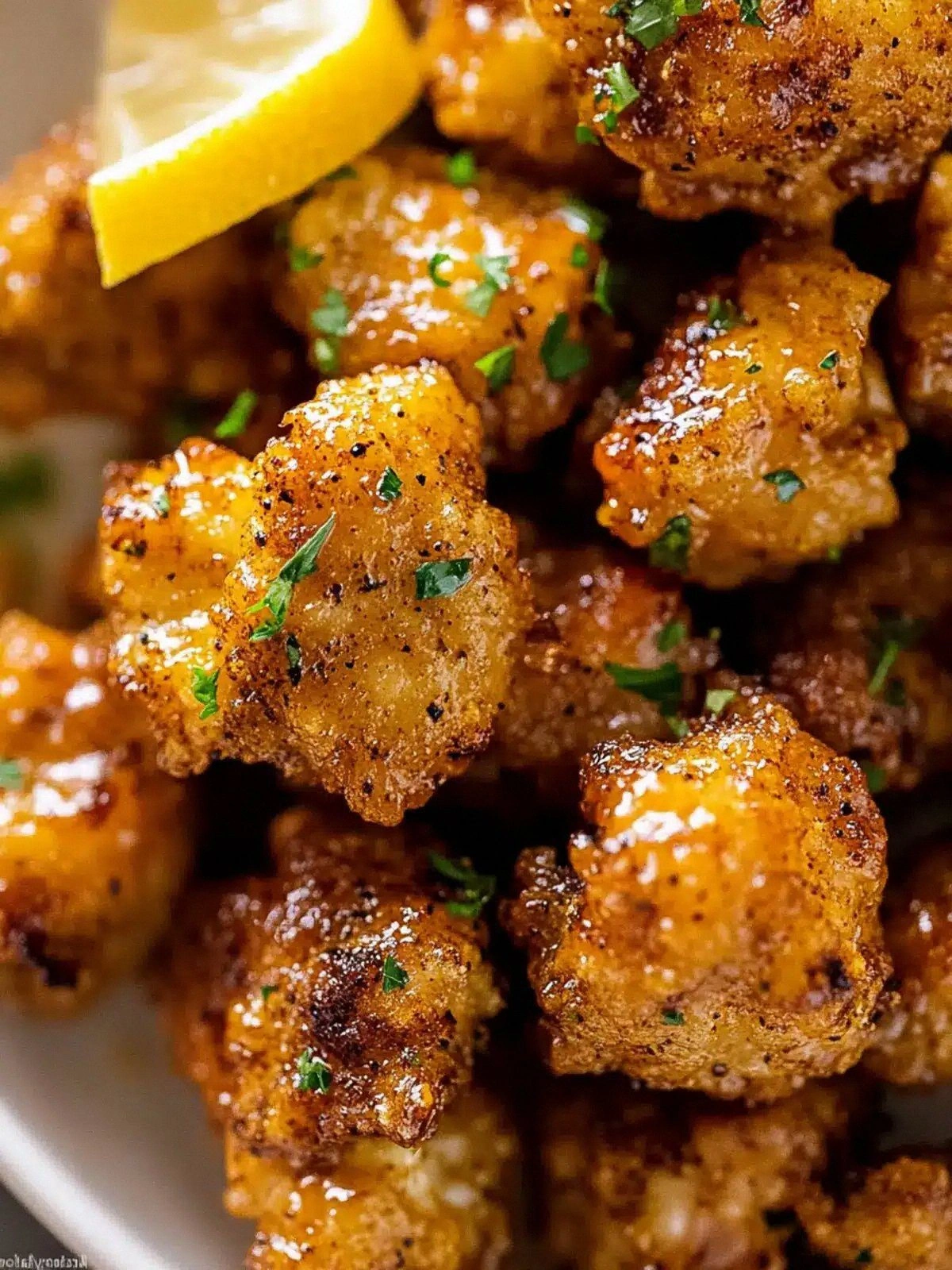
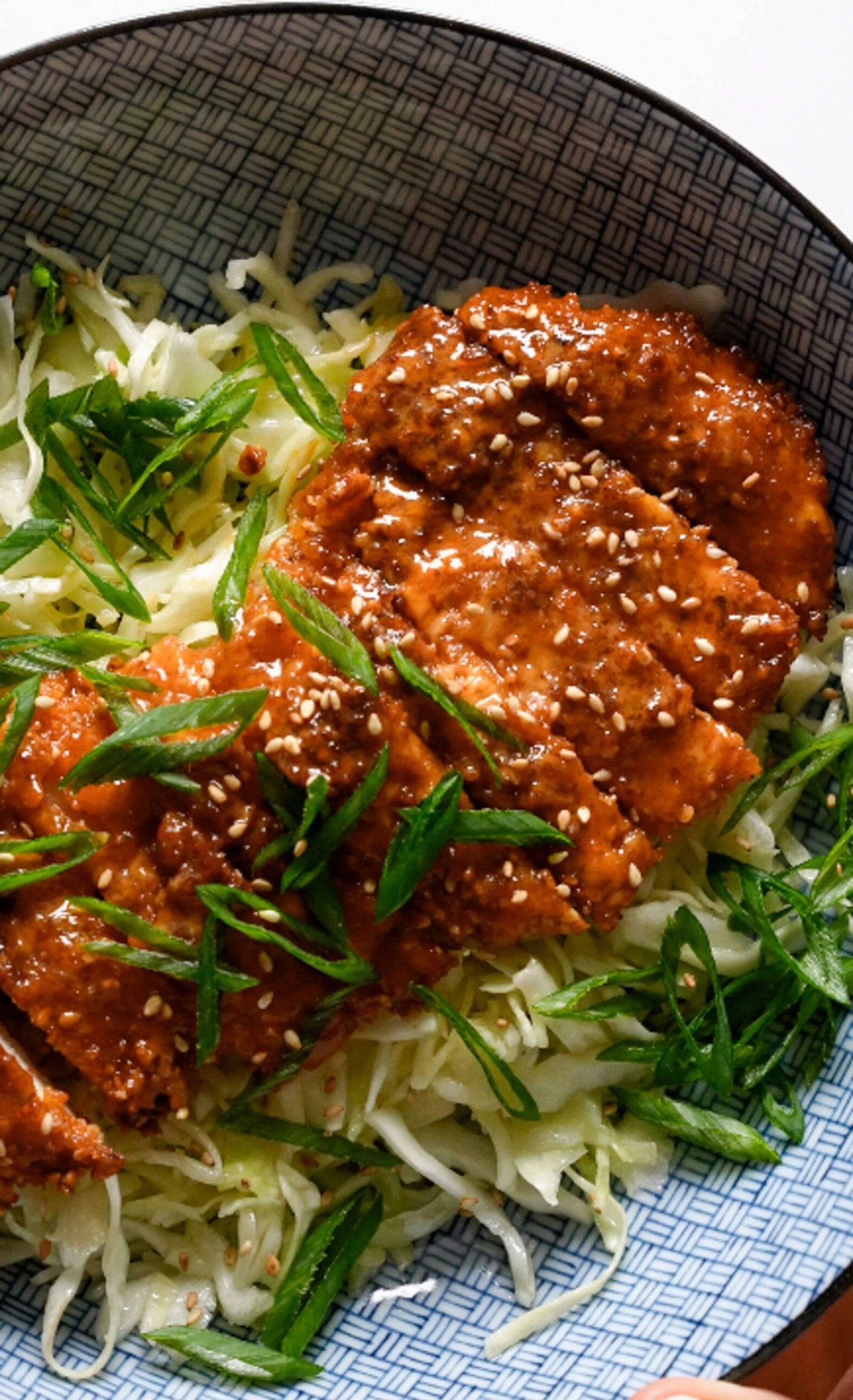
The moment the chicken hits the hot oil, you hear a sizzle that’s louder than a stadium crowd, and the aroma that erupts is a heady blend of sweet, smoky, and tangy that instantly transports you to a bustling Seoul street market. The sauce—rich, glossy, with that signature deep red hue—coats each piece like a velvety lacquer, while the crust cracks under the fork with a satisfying snap that’s louder than a fist‑bump. When you bite in, the tender meat inside stays juicy, almost buttery, while the outer layer shatters like thin ice under a warm foot. It’s a textural symphony that makes you want to shout, “I dare you to taste this and not go back for seconds!”
What sets this version apart from the sea of “crispy gochujang chicken” posts out there? First, I’m using a double‑coating technique that creates a feather‑light crunch without drowning the chicken in oil. Second, the gochujang glaze is balanced with a splash of honey, a dash of rice vinegar, and a whisper of sesame oil—ingredients that sing together like a perfectly tuned choir. And finally, the finishing touch: a sprinkle of toasted sesame seeds and a handful of fresh scallions that add a burst of nutty aroma and a pop of color, turning this dish into a feast for the eyes as well as the palate.
I’m about to spill the beans on a technique that most recipes skip: the “rest‑and‑dry” step. After coating the chicken, you let it sit on a wire rack for ten minutes, allowing the coating to set and the moisture to evaporate—this is the game‑changer that gives you that razor‑thin, crackling crust. Trust me, you’ll wonder how you ever survived without it. So, buckle up, because I’m about to walk you through every single step—by the end, you’ll wonder how you ever made this dish any other way.
What Makes This Version Stand Out
- Flavor Explosion: The gochujang glaze balances heat, sweet, and umami in a way that dances on the tongue without overwhelming it. The honey adds a caramelized finish that makes each bite addictive.
- Texture Triumph: The double‑coating method creates a crust that’s airy yet sturdy, shattering like a crisp wafer while keeping the meat juicy underneath.
- Simplicity: Despite the impressive results, the ingredient list is straightforward, and the steps are broken down so even a kitchen novice can nail it.
- Unique Twist: The rest‑and‑dry step is rarely mentioned but crucial; it’s the secret weapon that separates “good” from “legendary.”
- Crowd‑Pleaser: Serve it at a party and watch the line form. Even picky eaters who usually avoid spicy food can’t resist the sweet‑heat balance.
- Ingredient Quality: Using authentic Korean gochujang and fresh chicken thighs ensures depth of flavor that bottled sauces can’t mimic.
- Cooking Method: Frying in a moderate‑heat oil and finishing with a quick glaze lock in moisture while preserving crunch.
- Make‑Ahead Potential: You can prep the coating and sauce ahead of time; the final fry only takes minutes, perfect for busy weeknights.
Alright, let's break down exactly what goes into this masterpiece...
Inside the Ingredient List
The Flavor Base
Gochujang is the heart‑and‑soul of this dish. It’s a fermented Korean chili paste that brings deep umami, subtle sweetness, and a lingering heat that builds over time. If you skip it, you lose the signature “Korean‑style” flavor profile. Look for a brand that lists rice, fermented soybeans, and red pepper flakes as primary ingredients—this ensures a balanced, authentic taste. As a swap, you can use a mix of miso paste and sriracha, but expect a different depth.
The Texture Crew
All‑purpose flour and cornstarch are the dynamic duo that create a light, airy crust. The flour provides structure, while the cornstarch absorbs surface moisture, ensuring the coating crisps up nicely. If you’re gluten‑free, substitute the flour with rice flour; the result will be just as crisp, though slightly more delicate.
The Unexpected Star
Honey isn’t just for sweetness; it acts as a caramelizing agent that gives the glaze a glossy, sticky finish. A drizzle of rice vinegar cuts through the richness and brightens the overall flavor, preventing the sauce from becoming cloying. If you’re allergic to honey, maple syrup works as a 1:1 substitute, but the flavor will lean more toward earthiness.
The Final Flourish
Toasted sesame seeds and sliced scallions add a nutty aroma and a fresh bite that balances the richness. These finishing touches are optional but highly recommended—they turn a great dish into an Instagram‑worthy masterpiece. If you’re out of sesame seeds, crushed peanuts can add a similar crunch and flavor.
Everything's prepped? Good. Let's get into the real action...
The Method — Step by Step
First, pat the chicken thighs dry with paper towels. This isn’t just a hygiene step—removing surface moisture is crucial for that crisp crust. Season the chicken generously with salt and pepper, then set aside while you whisk together the flour, cornstarch, and a pinch of baking powder in a shallow bowl. The baking powder creates tiny bubbles in the coating, giving it that airy crunch you crave.
Next, coat each piece in the dry mixture, shaking off excess. This dusting should cling like a light dusting of snow—if it slides off, give the chicken a quick second dip. Place the coated pieces on a wire rack and let them rest for ten minutes. This rest‑and‑dry step is the secret that makes the crust shatter like thin ice when you bite.
Kitchen Hack: Use a cooling rack set over a baking sheet; the airflow speeds up moisture evaporation.While the chicken rests, heat a deep skillet or Dutch oven with enough oil to reach a depth of about 1 inch. Aim for a temperature of 350°F (175°C). A quick test: drop a tiny breadcrumb in—if it sizzles and rises to the surface within 10 seconds, you’re golden. This moderate heat ensures the coating cooks evenly without soaking up too much oil.
Now, gently lower the chicken into the hot oil, working in batches to avoid crowding. Fry each piece for 4‑5 minutes per side, turning once. You’ll hear a steady, confident sizzle—the sound of perfection. The edges will start pulling away from the pan, a clear sign they’re ready.
Watch Out: If the oil starts smoking, reduce the heat immediately; burnt oil ruins the flavor.When the chicken is golden‑brown and crisp, transfer it to a paper‑towel‑lined plate to drain excess oil. Let it rest for two minutes—this short pause lets the steam escape, preserving the crunch.
While the chicken rests, whisk together gochujang, honey, rice vinegar, sesame oil, minced garlic, and a splash of soy sauce in a small saucepan. Bring to a gentle simmer over medium heat, stirring constantly. The sauce will thicken to a glossy, sticky consistency—think of it as a lacquer that will cling perfectly to each bite.
Toss the fried chicken in the hot glaze, ensuring every piece is evenly coated. The heat from the chicken will slightly caramelize the glaze, creating that irresistible sheen. Sprinkle toasted sesame seeds and sliced scallions on top for that final pop of flavor and visual appeal.
Serve immediately while the crust is still cracking. Pair with steamed rice or a crisp Asian slaw, and watch your guests line up for seconds. That moment when they bite and hear the crack? Pure magic.
That's it — you did it. But hold on, I've got a few more tricks that'll take this to another level...
Insider Tricks for Flawless Results
The Temperature Rule Nobody Follows
Never fry at a temperature higher than 350°F. Higher heat makes the coating burn before the chicken cooks through, leaving a bitter aftertaste. Keep a candy thermometer handy; it’s worth the extra effort. I once tried 375°F and ended up with blackened crust and raw meat—trust me, that’s a culinary nightmare.
Why Your Nose Knows Best
Your sense of smell is the ultimate doneness indicator. When the glaze starts to emit a sweet, caramelized aroma, you know it’s ready to coat. If you’re unsure, dip a spoon into the sauce; if it clings and forms a thin ribbon, you’ve hit the sweet spot. A friend once ignored this and ended up with a watery glaze that turned the crust soggy.
The 5‑Minute Rest That Changes Everything
After coating, let the chicken rest on a rack for exactly five minutes before frying. This short pause allows the flour‑starch mixture to absorb a tiny bit of moisture, creating a micro‑film that fries up ultra‑crisp. Skip this step and you’ll notice a slightly gummy texture—hard to miss.
Oil Choice Matters
Use a neutral oil with a high smoke point, like grapeseed or peanut oil. These oils let the coating crisp without imparting unwanted flavors. Olive oil may add a bitter note and lower the smoke point, causing the sauce to taste burnt.
The Final Toss Technique
When coating the fried chicken in the glaze, do it in a large bowl and toss gently with tongs. This ensures an even coat without breaking the delicate crust. Over‑mixing can shatter the crunch—think of it as a delicate waltz, not a wrestling match.
Creative Twists and Variations
This recipe is a playground. Here are some of my favorite ways to switch things up:
Honey‑Soy Glaze
Swap gochujang for a blend of soy sauce, honey, and a pinch of chili flakes. The flavor shifts to a sweet‑savory profile that’s perfect for those who prefer milder heat.
Spicy Garlic Infusion
Add extra minced garlic and a dash of gochugaru (Korean chili flakes) to the glaze. The result is a punchier, aromatic heat that lingers on the palate.
Crispy Coconut Crust
Replace half the flour with finely shredded coconut. The coconut caramelizes during frying, adding a tropical sweetness and extra crunch.
Veggie‑Friendly Version
Use cauliflower florets or thick-cut sweet potato slices instead of chicken. Coat and fry them the same way for a vegetarian twist that still delivers the same addictive crunch.
Sesame‑Ginger Finish
Stir in freshly grated ginger and a splash of toasted sesame oil into the glaze right before tossing. This adds a warm, nutty depth that elevates the dish.
Storing and Bringing It Back to Life
Fridge Storage
Place cooled chicken in an airtight container lined with paper towels to absorb excess oil. It stays fresh for up to three days. When reheating, add a tiny splash of water to the pan; the steam revives the crust.
Freezer Friendly
Freeze the coated, uncooked chicken on a tray, then transfer to a zip‑top bag. This prevents pieces from sticking together. When ready, fry directly from frozen—just add an extra minute or two to the cooking time.
Best Reheating Method
Reheat in a preheated oven at 375°F for 10‑12 minutes, or in an air fryer for 5 minutes. The oven method restores the crunch without drying out the meat. A quick tip: spritz the chicken lightly with oil before reheating to enhance crispness.