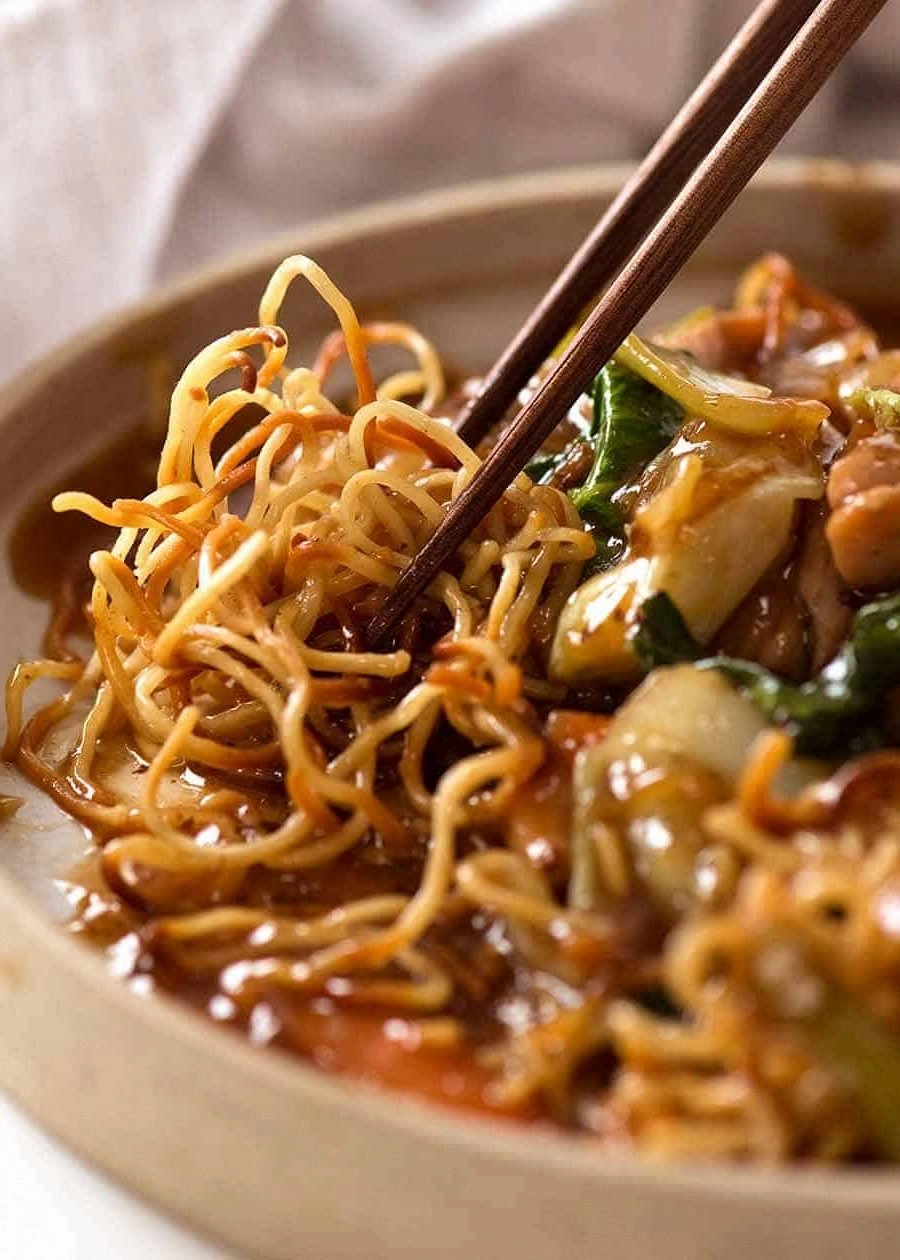
I was standing in my kitchen, hair a mess, the smoke alarm screaming like an angry neighbor because my last attempt at stir‑fry turned into a soggy, sad noodle puddle. I stared at the half‑cooked noodles, feeling the weight of disappointment, and thought, “If I can’t get these right at home, why does every takeout place seem to nail it?” I dared my roommate to a “crisp‑off” – whoever could make the crunchiest, most flavor‑packed noodles would earn bragging rights for a month. That night, I stayed up until the moon was a thin slice, experimenting with oil temperatures, sauce ratios, and the exact moment to flip the noodles. The result? A plate of Chinese Crispy Noodles (Chow M that crackles under the fork like thin ice on a winter pond and smells like a bustling night market in Shanghai.
Picture the aroma: a heady blend of toasted sesame, caramelized oyster sauce, and a whisper of garlic that makes your nostrils do a happy dance. Hear the sizzle as the noodles hit the hot pan – that sound is the anthem of success, a bright, sharp note that says “we’re about to get crispy”. Feel the heat of the pan transferring to the noodles, turning them into golden, crunchy ribbons while the interior stays tender and moist. The taste? A perfect harmony of salty, sweet, and umami that coats each strand like velvet, with a buttery finish from the sesame oil that lingers just long enough to make you close your eyes and savor.
What makes this version stand out? Most recipes either fry the noodles until they’re rubbery or they over‑cook the veggies, losing that coveted crunch. I discovered that a quick blast of high heat, followed by a brief steam‑finish, locks in that crispy exterior while keeping the interior silky. The secret weapon is a splash of Chinese cooking wine that adds depth and a subtle fruity note, something most home cooks skip out of fear of “boozy” flavors. And let’s not forget the sauce – a precise balance of oyster sauce, soy, a pinch of sugar, and a drizzle of sesame oil that creates a glossy, mouth‑watering glaze.
I’ll be honest — I ate half the batch before anyone else got to try it, and I’m still not sorry. The flavor was so addictive that I found myself reaching for the wok for a second round. I dare you to taste this and not go back for seconds. This is hands down the best version you’ll ever make at home, and I’m here to prove it, step by step. Let me walk you through every single step — by the end, you’ll wonder how you ever made it any other way.
What Makes This Version Stand Out
- Texture: The noodles achieve a crisp edge that shatters like thin ice, while the center remains pillowy – a duality that most takeout places can’t replicate.
- Flavor Depth: The sauce’s umami backbone, powered by oyster sauce and a splash of Chinese cooking wine, creates layers that linger on the palate.
- Simplicity: Only a handful of pantry staples and a 30‑minute timeline make this recipe accessible for weeknight cooks.
- Ingredient Quality: Fresh chow mein noodles and high‑quality soy sauce turn a humble dish into a gourmet experience.
- Crowd Reaction: Guests often claim they’ve never had crispy noodles at home – it’s a conversation starter and a brag‑worthy dish.
- Cooking Method: The high‑heat sear followed by a quick steam lock‑in technique is the game‑changer that prevents sogginess.
- Make‑Ahead Potential: You can prep the sauce and veggies ahead of time, making the final assembly a breeze.
- Versatility: Swap chicken for tofu or shrimp, and the dish still shines – perfect for any dietary preference.
Inside the Ingredient List
The Flavor Base
The heart of this dish is the sauce. Oyster sauce brings a briny, slightly sweet depth that’s impossible to mimic with soy alone. If you’re allergic or vegan, mushroom sauce is a solid swap, though you’ll miss a hint of that sea‑like nuance. Chinese cooking wine adds a subtle fruitiness that lifts the sauce, preventing it from feeling flat; think of it as the culinary equivalent of a splash of citrus. Soy sauce provides the salty backbone, while a dash of sesame oil delivers a nutty perfume that lingers after the first bite. Skipping any of these will result in a flatter, less exciting flavor profile.
The Texture Crew
Fresh chow mein noodles are essential – they’re springy and absorb flavors without turning mushy. If you can’t find fresh, use dried noodles but give them a quick blanch and shock in ice water to preserve bite. Peanut oil is the frying champion here; its high smoke point ensures a crisp exterior without burning. Cornflour mixed with water creates a glossy slurry that binds the sauce to each noodle strand, ensuring every bite is coated evenly. Forgetting the cornflour will leave the sauce sliding off like a bad dance partner.
The Unexpected Star
Chicken stock adds richness without the heaviness of cream. It’s the secret that keeps the sauce from feeling too thin, especially when paired with the soy and oyster combo. Sugar isn’t just for sweetness; it balances the salt and amplifies the umami, making the flavors pop. A pinch of white pepper adds a gentle heat that tingles the tongue without overwhelming the subtle notes. If you love spice, a dash of chili oil can be drizzled at the end for an extra kick.
The Final Flourish
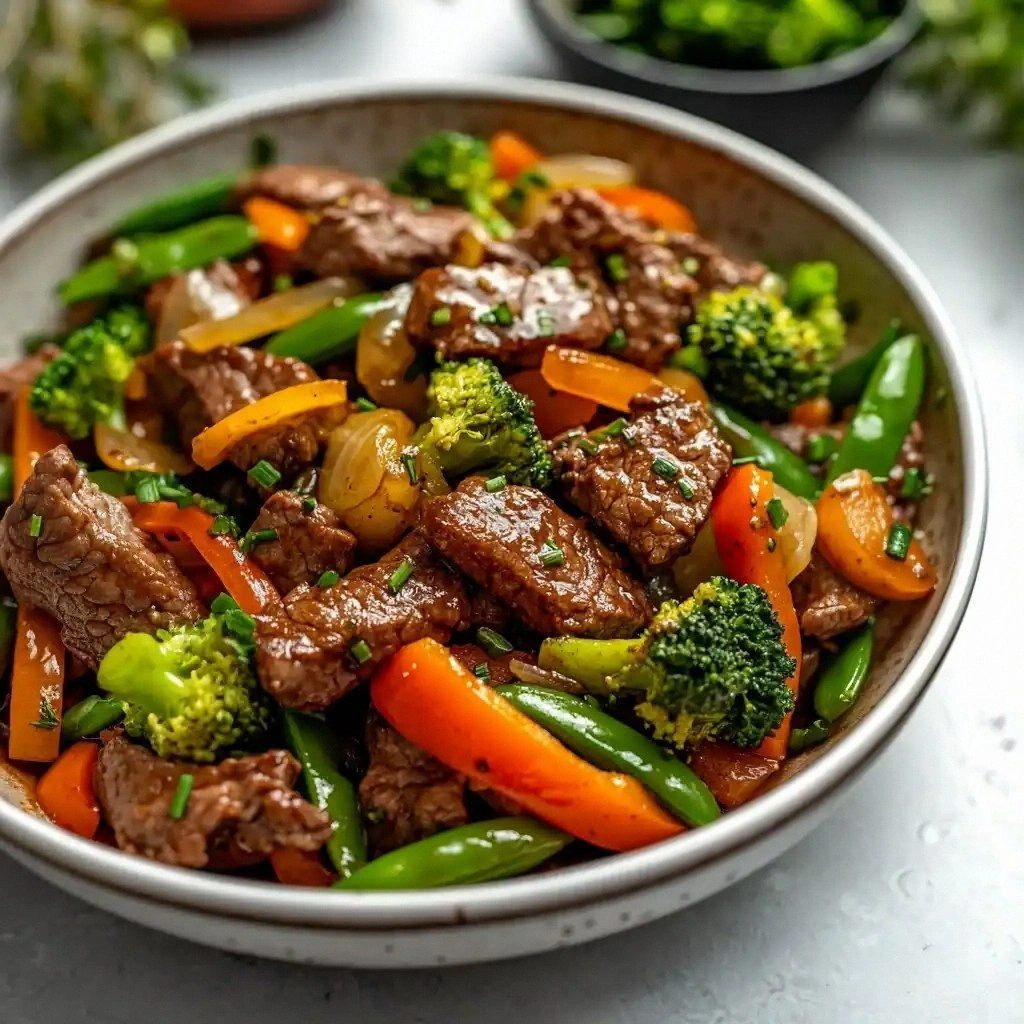
Garlic and onion are the aromatic foundation, providing that familiar, comforting base. Carrot, bok choy, and cabbage contribute crunch and a burst of color, turning the dish into a visual feast. Shallots/scallions finish the dish with a fresh, oniony bite that brightens the overall profile. The vegetables not only add texture but also absorb the sauce, making each bite a balanced harmony of flavors.
Everything's prepped? Good. Let's get into the real action...
The Method — Step by Step
Heat a large wok over medium‑high heat until it just starts to shimmer. Add 2 tbsp of peanut oil, swirling to coat the surface. When the oil ripples, drop in the noodles in a single layer. Let them sit untouched for 2‑3 minutes – you’ll hear a faint sizzle that tells you the crust is forming. Do not stir yet; this is the foundation of that coveted crunch.
Kitchen Hack: If the noodles start to stick, splash a teaspoon of water and let it steam off – this prevents burning while keeping the crust intact.After the bottom is golden brown, flip the noodles using tongs, allowing the other side to crisp for another 2‑3 minutes. You’re looking for a deep amber color, not black. The edges should start pulling away from the wok, a sign they’re ready for the next stage.
While the noodles finish, prep the sauce: combine oyster sauce, soy sauce, Chinese cooking wine, sugar, sesame oil, white pepper, and chicken stock in a bowl. Whisk until sugar dissolves. In a separate small cup, dissolve cornflour in 4 tbsp water – this slurry will thicken the sauce at the end.
Add 1 tbsp of peanut oil to the wok (the wok is still hot). Toss in minced garlic and sliced onion; sauté for 30 seconds until fragrant. Add sliced chicken (or your protein of choice) and stir‑fry until just cooked through – about 2 minutes.
Introduce the vegetables: carrot strips, shredded cabbage, and bok choy pieces. Stir‑fry quickly on high heat for 1‑2 minutes – you want them crisp‑tender, retaining that fresh snap.
Watch Out: Overcooking the veggies will turn them soggy, ruining the texture contrast. Keep the heat high and move fast.Return the crispy noodles to the wok, nestling them among the veggies and meat. Pour the prepared sauce over everything, stirring gently to coat. Let it bubble for 30 seconds, then drizzle the cornflour slurry while tossing. The sauce will thicken, clinging to each noodle strand like a glossy veil.
Add the sliced shallots/scallions and give a final toss. Taste and adjust with a pinch more white pepper or a splash of soy if needed. The dish should taste balanced – salty, slightly sweet, and rich with umami.
Transfer the noodles to a serving platter. Let them rest for a minute; the residual heat will keep the crust crisp while the interior stays tender. Garnish with a drizzle of sesame oil and, if you like, a light sprinkle of toasted sesame seeds.
Kitchen Hack: For an extra crunch, sprinkle a handful of fried shallots on top right before serving.
That's it — you did it. But hold on, I've got a few more tricks that'll take this to another level...
Insider Tricks for Flawless Results
The Temperature Rule Nobody Follows
Never let the wok cool down between steps. A consistent high heat ensures the noodles stay crisp and the veggies stay bright. If you notice the oil smoking too much, lower the flame just a notch, but keep the wok hot enough to sizzle. I once let the pan cool for 30 seconds and the noodles turned soggy – lesson learned.
Why Your Nose Knows Best
Your sense of smell is the ultimate timer. When the garlic turns golden and the sauce starts to emit a sweet, caramelized scent, you’re at the perfect moment to add the cornflour slurry. If the aroma turns bitter, you’ve overcooked – pull the wok off the heat immediately.
The 5‑Minute Rest That Changes Everything
After plating, let the noodles sit for five minutes. This short rest lets the crust re‑firm and the sauce settle, preventing a soggy bottom. It’s a trick chefs use for fried rice, and it works wonders here too.
The Secret Sauce Layer
Add a final splash of soy sauce right before serving for a glossy finish. This thin layer adds depth without overwhelming the palate. I swear by this step – it’s the difference between “good” and “wow”.
The Crunch Boost
A quick toss of toasted peanuts or fried shallots on top adds an unexpected crunch and a nutty aroma. One friend tried skipping this and claimed the dish felt “missing something”. Trust me, that extra texture makes every bite unforgettable.
Creative Twists and Variations
This recipe is a playground. Here are some of my favorite ways to switch things up:
Spicy Szechuan Fire
Swap the white pepper for Szechuan peppercorns and add a drizzle of chili oil. The tongue‑tingling numbness pairs perfectly with the crisp noodles.
Vegan Delight
Replace chicken with firm tofu, use mushroom “oyster” sauce, and substitute chicken stock with vegetable broth. The texture stays satisfying, and the umami stays strong.
Seafood Sensation
Use shrimp or scallops instead of chicken. Add a splash of fish sauce for an oceanic boost, and garnish with sliced nori.
Thai Twist
Add a spoonful of peanut butter to the sauce, a squeeze of lime, and a handful of fresh cilantro. The dish becomes a fusion of Chinese crispness and Thai tang.
Breakfast Chow Mein
Stir in scrambled eggs and replace the chicken with bacon bits. Serve with a side of pickled vegetables for a hearty morning meal.
Storing and Bringing It Back to Life
Fridge Storage
Cool the noodles completely, then transfer to an airtight container. They’ll keep for up to 3 days. Reheat in a hot wok with a splash of water to revive the crispness.
Freezer Friendly
Portion into freezer‑safe bags, removing as much air as possible. Freeze for up to 2 months. Thaw overnight in the fridge, then finish in a hot pan with a drizzle of oil.
Best Reheating Method
Add a tiny splash of water (about 1 tbsp) to the pan before reheating. Cover for 30 seconds to steam, then uncover and let the noodles crisp up again. This keeps them from drying out while restoring that coveted crunch.