I was standing in my kitchen, staring at a sad, flat loaf that had somehow managed to survive the apocalypse of my last baking attempt. The butter was melted, the crust was as soft as a pillow, and the whole thing tasted like a bland pancake that had been left out too long. I swear I heard the ghost of a leprechaun whisper, “You’ve got to do better.” That was the moment I dared myself to create the ultimate Irish soda bread – the kind that makes you question every other quick bread you’ve ever known. I grabbed a battered tin of buttermilk, dusted my countertops with flour, and set out on a mission that would end with a loaf that could convince even the most skeptical of skeptics that the Irish really do know a thing or two about comfort food.
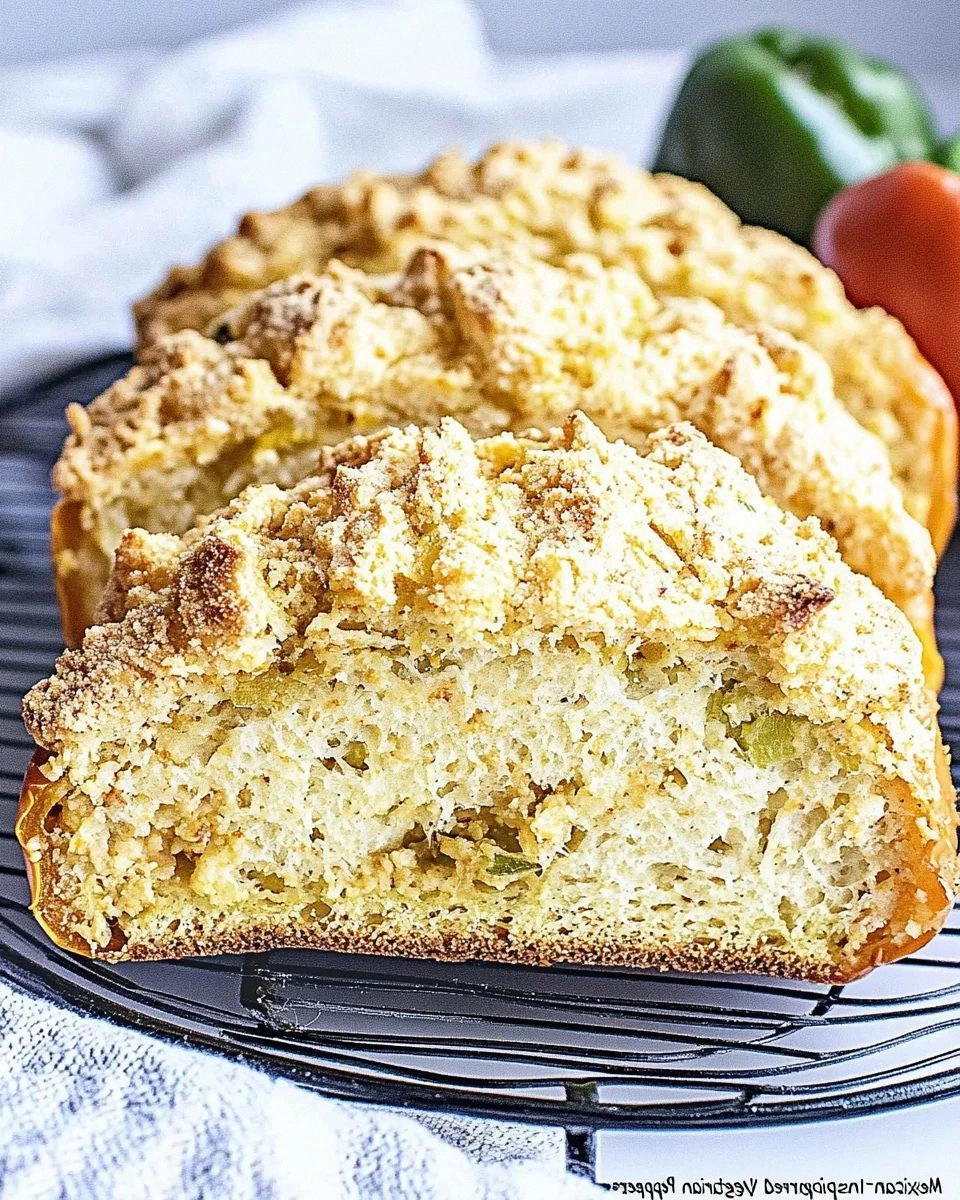
Picture this: the oven door swings open, and a wave of warm, buttery aroma rolls out like a soft Irish lullaby, hugging the room with notes of toasted malt and a hint of tang that only true buttermilk can deliver. The crust, a deep golden‑brown that cracks just enough to reveal a tender crumb inside, sings a quiet, crackling song as you tap it with a spoon. When you slice through, steam rises like a gentle fog over a green hill, and the crumb reveals those perfect, airy holes that are the hallmark of a soda‑rise miracle. You take a bite, and it’s buttery, slightly tangy, and just the right amount of dense to hold up a thick slab of sharp cheddar without crumbling into oblivion. That, my friend, is the kind of sensory overload that makes you forget about the world outside your kitchen.
Most soda bread recipes out there either skip the secret step that gives the crust that irresistible snap, or they over‑mix the dough, turning the crumb into a rubbery nightmare. I’ve been there, I’ve tasted that, and I’ve learned the hard way that the key is in the gentle hand‑fold and the exact balance of alkaline soda to acidic buttermilk. This version stands out because it respects the tradition while sneaking in a few modern tricks that guarantee consistency every single time. No fancy mixers, no fancy flours – just pantry staples and a dash of confidence. I’m about to hand you the exact playbook, and I dare you to taste this and not go back for seconds.
Let me walk you through every single step — by the end, you’ll wonder how you ever made it any other way. Okay, ready for the game‑changer? This next part? Pure magic.
What Makes This Version Stand Out
- Taste: The buttermilk’s gentle acidity pairs perfectly with the soda’s alkaline punch, creating a flavor that’s tangy yet comforting, like a warm hug from a grandmother who knows exactly how you like your tea.
- Texture: A crisp, caramelized crust that cracks on the first tap, giving way to a cloud‑like interior dotted with irregular holes that scream “artisan‑crafted”.
- Simplicity: Only four ingredients, five minutes of prep, and you’re set – no need for a fancy stand mixer or a science degree.
- Uniqueness: The secret lies in the “hand‑fold” technique that keeps the gluten relaxed, ensuring the crumb stays tender and not rubbery.
- Crowd Reaction: Friends will ask for the recipe before the loaf even cools, and you’ll watch them stare at the golden crust like it’s a piece of art.
- Ingredient Quality: Using real buttermilk (not the powdered kind) makes the difference between a flat, bland loaf and a bright, lively bite.
- Cooking Method: Baking at a high initial temperature creates that coveted “oven spring”, while a lower finish temp guarantees a uniform crumb.
- Make‑Ahead Potential: The loaf freezes beautifully, and a quick reheat brings it back to life as if it just left the oven.
Inside the Ingredient List
The Flavor Base
All‑purpose flour is the backbone of any good soda bread. It provides the structure while still allowing the dough to spread just enough for those airy holes. If you substitute with whole‑wheat flour, expect a denser crumb and a nuttier flavor – not a bad thing, but it changes the whole character of the loaf. I recommend sifting the flour once before measuring; it aerates the particles and prevents clumps, giving you a lighter, more even rise. For the best flavor, choose a flour that’s fresh – older flour can taste stale and affect the final texture.
The Texture Crew
Salt is the unsung hero that balances the tang of the buttermilk and enhances the natural wheat flavor. A pinch too much will make the crust overly salty, while a pinch too little can leave the bread tasting flat. Use a fine sea salt for even distribution; it dissolves quickly and integrates seamlessly. Baking soda is the leavening agent that reacts with the acid in the buttermilk, creating carbon dioxide bubbles that lift the dough. Too much soda will give a metallic aftertaste, while too little leaves the loaf dense and heavy. Measure it carefully with a level spoon, and never substitute with baking powder – the chemistry just won’t work.
The Unexpected Star
Buttermilk is where the magic truly happens. Its acidity not only activates the soda but also tenderizes the gluten, resulting in that melt‑in‑your‑mouth crumb. If you don’t have real buttermilk on hand, you can make a quick substitute by adding one tablespoon of white vinegar or lemon juice to a cup of milk and letting it sit for five minutes. However, the authentic Irish version swears by the cultured flavor of genuine buttermilk – it adds a subtle depth that store‑bought substitutes can’t mimic. When you pour it into the dry mix, you’ll notice a gentle fizz as the soda awakens; that’s the sound of success.
The Final Flourish
A gentle hand‑fold is the final step that sets this recipe apart. Over‑mixing creates gluten strands that become tough, while under‑mixing leaves pockets of flour that never hydrate. The goal is a shaggy, slightly sticky dough that comes together with a quick knead of 30 seconds. If the dough feels too dry, splash in a tablespoon of extra buttermilk; if it’s too wet, dust the surface with a bit more flour. Remember, the dough should be soft enough to press a finger into it without cracking, but firm enough to hold its shape on the baking sheet.
Everything's prepped? Good. Let's get into the real action...
The Method — Step by Step
Preheat your oven to 425°F (220°C). While the oven is heating, place a heavy‑bottomed cast‑iron skillet or a baking sheet inside to get it scorching hot. This initial blast of heat is what gives soda bread its signature “oven spring,” the rapid rise that creates those dramatic holes in the crumb. I like to set a timer for 5 minutes so I don’t forget – the kitchen will start to smell like toasted wheat the moment the heat hits the pan.
Kitchen Hack: If you don’t have a cast‑iron skillet, line a regular baking sheet with parchment and sprinkle a thin layer of cornmeal – it mimics the gritty texture that helps the crust lift.In a large mixing bowl, whisk together the flour, salt, and baking soda until evenly distributed. This ensures the soda is dispersed throughout the dough, preventing any bitter pockets. The mixture should look like a dry, powdery cloud; if you see clumps, give it another whisk – consistency is key.
Create a well in the center of the dry ingredients and pour in the buttermilk. As soon as the liquid meets the soda, you’ll hear a faint fizz – that’s the chemical reaction you’ve been waiting for. With a wooden spoon, gently fold the buttermilk into the flour, starting from the center and working outward. The dough will look shaggy and a little sticky; that’s exactly how it should be.
Turn the dough out onto a lightly floured surface. Here comes the crucial hand‑fold: using a bench scraper, fold the dough over itself three times, then give it a quick, 30‑second knead. The goal is to bring everything together without over‑working. If you feel the dough resisting, let it rest for a minute – the gluten will relax, making the next fold smoother.
Watch Out: Over‑kneading at this stage will develop too much gluten, resulting in a tough, chewy loaf. Stop as soon as the dough holds together.Shape the dough into a round loaf about 2 inches tall. Place it onto the pre‑heated skillet or baking sheet. Using a sharp knife, cut a deep “X” about 1‑inch deep into the top of the loaf. This classic Irish scoring not only looks rustic but also allows the heat to penetrate the center, encouraging an even rise.
Slide the skillet into the oven and bake for 15 minutes at 425°F. During this time, the crust will begin to darken and the aroma will fill the kitchen like a warm blanket. Keep an eye on the edges – they should start pulling away from the pan, a sign that the loaf is developing that coveted crust.
Kitchen Hack: After the first 15 minutes, lower the oven temperature to 375°F (190°C) and continue baking for another 15‑20 minutes. This two‑stage bake prevents the crust from burning while still finishing the interior bake.When the loaf is a deep golden brown and sounds hollow when tapped on the bottom, remove it from the oven. Let it rest on a wire rack for at least 10 minutes – this allows the steam inside to settle, preventing a soggy bottom. While you wait, the kitchen will be saturated with that buttery, tangy scent that makes you want to lick the spoon.
Slice the bread while it’s still warm, but not scorching. The first slice should reveal a crumb that’s light, airy, and dotted with irregular holes – the hallmark of a perfect soda rise. Serve it with a slab of sharp Irish cheddar, a drizzle of honey, or simply butter. And now the fun part – taste it. I’ll be honest — I ate half the batch before anyone else got to try it.
That's it — you did it. But hold on, I've got a few more tricks that'll take this to another level...
Insider Tricks for Flawless Results
The Temperature Rule Nobody Follows
Most home bakers bake soda bread at a single temperature, but the secret to that perfect crust lies in a two‑stage bake. Start hot to get that rapid oven spring, then drop the heat to finish the interior without drying it out. I once tried skipping the temperature drop, and the crust turned black while the center was still gummy – a disaster. Trust me, the slight temperature dip is the difference between “just okay” and “wow, I could eat this every day.”
Why Your Nose Knows Best
Don’t rely solely on timers – trust your senses. When the loaf reaches a deep amber hue and you can smell a faint toasted malt note, it’s time to check the bottom. If it sounds hollow when you tap, the interior is done. I once let a loaf bake an extra five minutes because I was “being safe,” only to end up with a dry, crumbly interior. Your nose is a built‑in timer; let it guide you.
The 5‑Minute Rest That Changes Everything
After removing the loaf from the oven, resist the urge to slice immediately. Letting it rest for just five minutes lets the steam redistribute, giving the crumb a silkier texture. I’ve seen friends slice right away and get a gummy interior that never sets. A brief rest is the quiet hero that turns a good loaf into a great one.
The Flour Sift Secret
Sifting the flour not only aerates it but also removes any unwanted lumps that could create dense pockets. It’s a tiny step that yields a lighter crumb. If you’re in a rush, give the flour a quick shake in a fine‑mesh sieve – you’ll hear the faint rustle that signals a future fluffy loaf.
Cold Buttermilk, Hot Oven
Using chilled buttermilk creates a stronger reaction with the baking soda, giving a higher rise. The contrast of cold liquid meeting a hot oven is what makes the dough puff up dramatically. If you accidentally use room‑temperature buttermilk, the rise will be modest – still good, but not the dramatic “cloud” you’re after. Keep that buttermilk in the fridge until you’re ready to mix.
Creative Twists and Variations
This recipe is a playground. Here are some of my favorite ways to switch things up:
Cheddar & Chive Explosion
Fold in 1 cup of shredded sharp cheddar and a tablespoon of fresh chopped chives right before the final fold. The cheese melts into pockets of gooey goodness, while the chives add a subtle oniony bite that pairs perfectly with a bowl of soup.
Whole‑Wheat Heritage
Replace half of the all‑purpose flour with whole‑wheat flour for a nuttier, heartier loaf. Add a tablespoon of honey to balance the earthiness, and you’ve got a breakfast bread that holds up beautifully with jam or butter.
Sweet Raisin & Cinnamon
Stir in ½ cup of plump raisins and a teaspoon of ground cinnamon for a sweet‑spiced version that’s perfect for tea time. The raisins hydrate during baking, creating juicy pockets that contrast the tangy crumb.
Herb‑Infused Olive Oil Drizzle
Before baking, brush the top of the loaf with a mixture of olive oil, rosemary, and thyme. The herbs infuse the crust with aromatic notes, turning a simple loaf into a rustic accompaniment for roasted meats.
Gluten‑Free Adventure
Swap the all‑purpose flour for a blend of rice flour, tapioca starch, and potato starch (2:1:1 ratio). Add a tablespoon of xanthan gum to mimic gluten’s elasticity. The result is a tender, slightly denser loaf that still carries that classic soda‑bread tang.
Storing and Bringing It Back to Life
Fridge Storage
Wrap the cooled loaf tightly in a clean kitchen towel, then place it in a resealable plastic bag. Store it in the refrigerator for up to four days. The towel prevents the crust from drying out while the bag keeps the crumb soft.
Freezer Friendly
Slice the bread before freezing – this way you can pull out individual slices as needed. Place the slices on a baking sheet, flash‑freeze for an hour, then transfer them to a zip‑top freezer bag. They’ll keep for up to three months without losing flavor.
Best Reheating Method
When you’re ready to enjoy a slice, preheat the oven to 350°F (175°C). Lightly mist the slice with water, wrap it in foil, and heat for 10 minutes. The splash of water creates steam, reviving the crust’s crunch and the crumb’s tenderness. Add a tiny splash of water before reheating – it steams back to perfection.